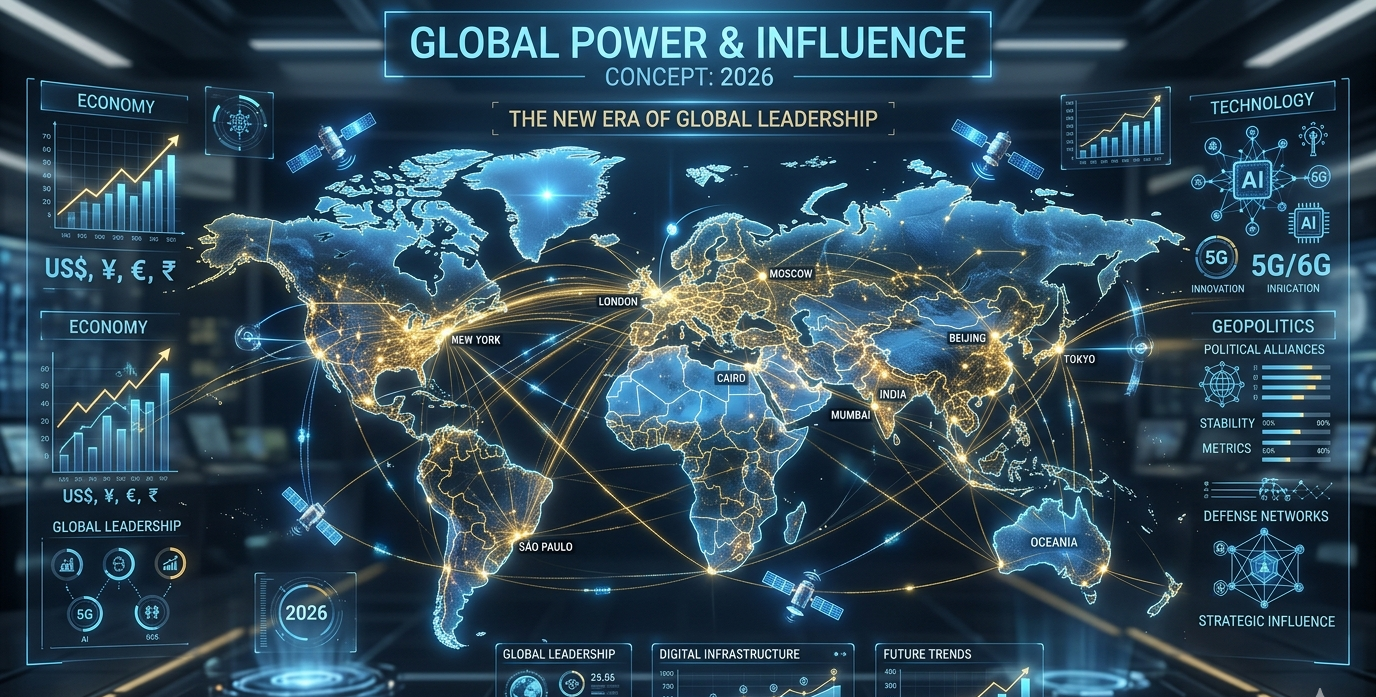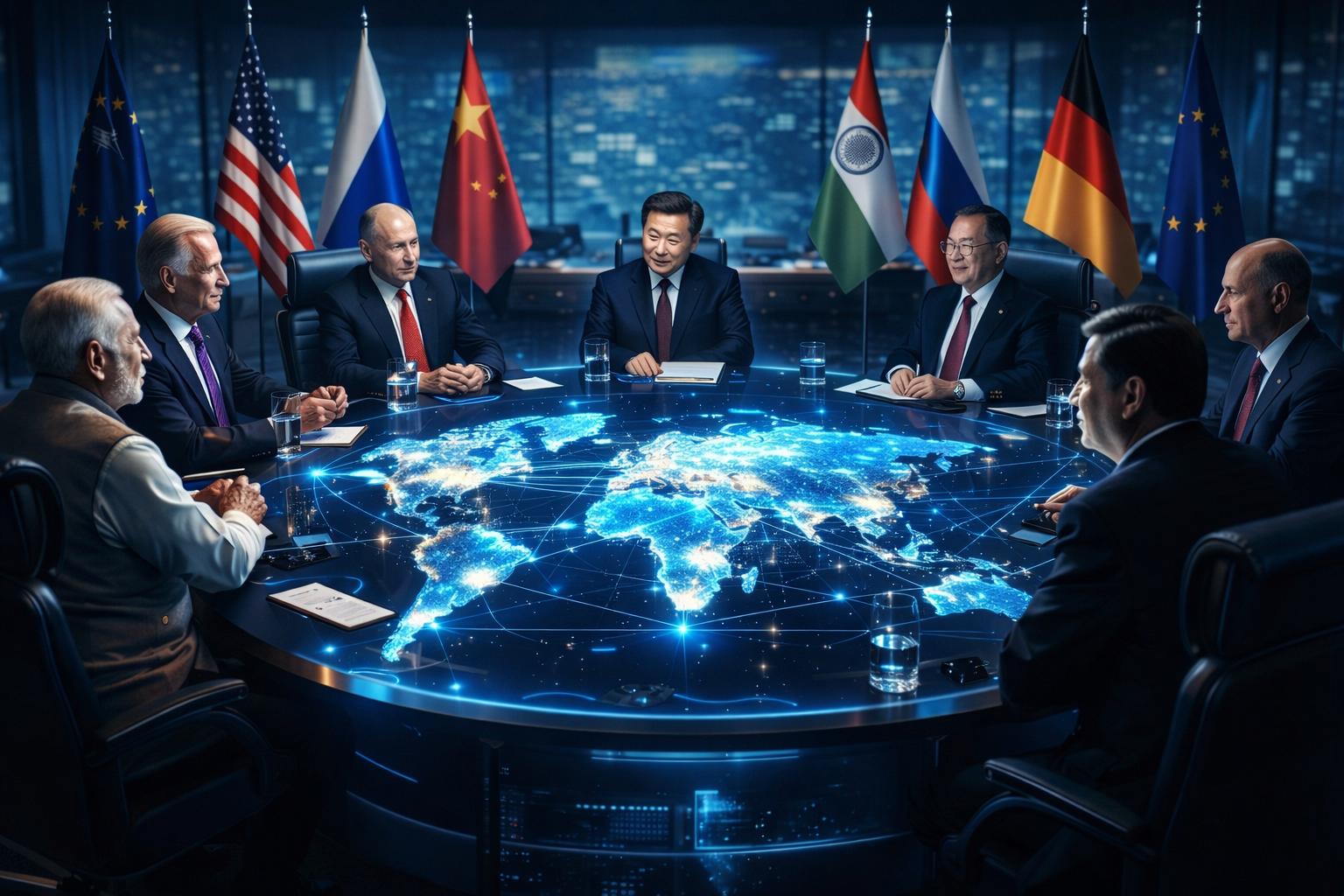

The global political landscape in 2026 is increasingly shaped by rising geopolitical tensions, shifting alliances, and intensifying competition among major powers. From escalating conflicts in the Middle East to economic rivalries between major global economies, geopolitical developments are influencing global trade, energy markets, and international security.
Over the past few years, the world has entered a period of strategic competition where countries are prioritizing national security, energy independence, and technological dominance. These changes are affecting not only governments but also businesses, investors, and everyday citizens around the world.
This article explores the major geopolitical developments of 2026, including the Middle East crisis, global economic consequences, emerging geopolitical blocs, and what these tensions could mean for the future of global stability.
The Middle East Conflict and Its Global Impact
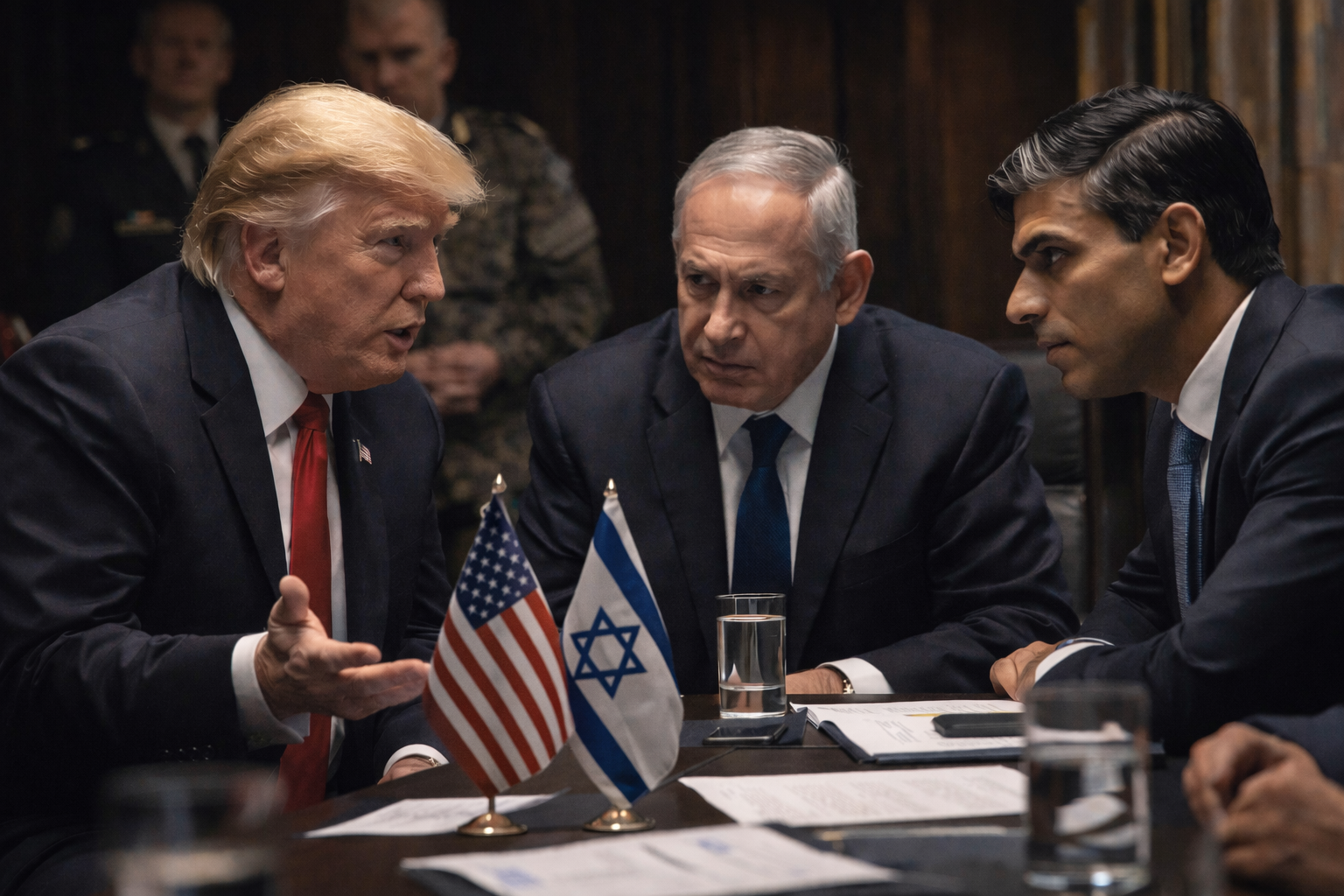
One of the most significant geopolitical developments in 2026 is the escalation of tensions in the Middle East involving Iran, Israel, and the United States. The conflict has moved beyond a regional issue and is now influencing global energy markets and international diplomacy.
The crisis intensified after military strikes and retaliatory attacks across the region, raising fears of a wider conflict. Analysts warn that prolonged confrontation could destabilize an already fragile geopolitical environment.
The Middle East remains strategically important because it controls some of the world’s most critical oil and gas supply routes. As tensions escalate, countries across the globe are closely monitoring the situation due to its potential impact on energy security and economic stability.
Oil Markets and Energy Security Under Pressure
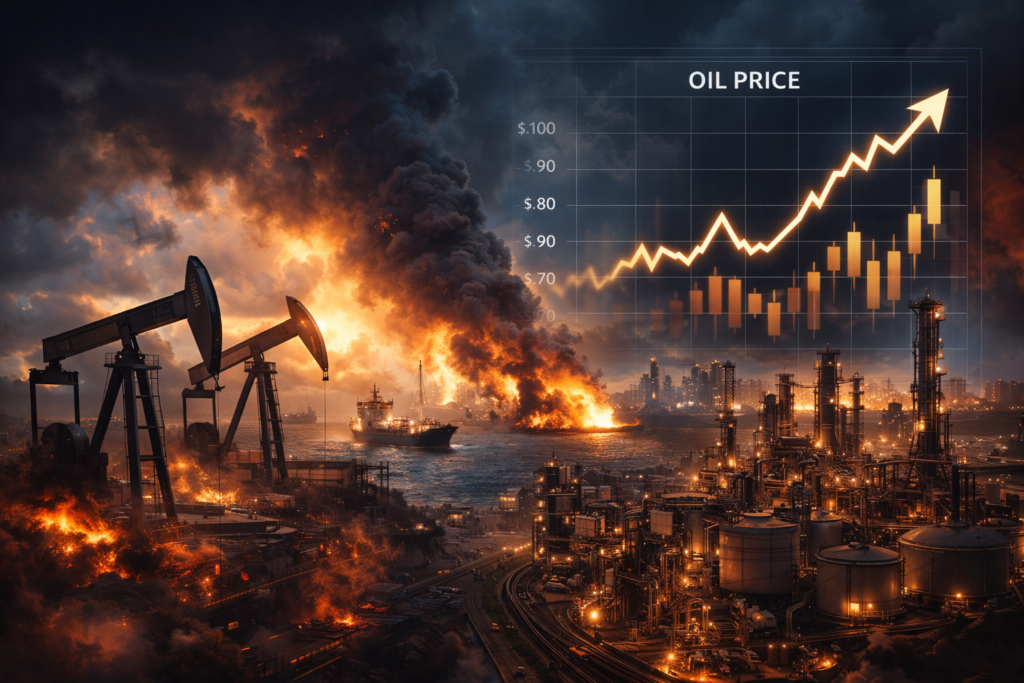
One of the most immediate consequences of geopolitical conflict is rising energy prices. Recent tensions involving Iran have disrupted oil supply routes and increased concerns about energy shortages in global markets.
Oil prices have surged significantly due to fears that shipping routes could be blocked or damaged during military escalations. Some analysts warn that prices could reach extremely high levels if the conflict continues or spreads to other regions.
The Strait of Hormuz, one of the most critical maritime chokepoints in the world, carries a substantial portion of global oil shipments. Any disruption in this region can immediately affect fuel prices worldwide and increase inflation in many economies.
Countries that depend heavily on imported oil, especially in Asia and Europe, are particularly vulnerable to these disruptions. Governments are now preparing contingency plans to manage potential energy shortages.
Global Economic Consequences of Geopolitical Conflicts
Geopolitical tensions rarely remain limited to political or military issues; they often create ripple effects across global economies.
Financial markets are highly sensitive to geopolitical risks. When conflicts escalate, investors tend to move money toward safer assets such as gold, government bonds, or stable currencies.
Recent geopolitical developments have also created uncertainty in global stock markets and commodity prices. Analysts note that the global economy has become increasingly interconnected, meaning regional conflicts can quickly affect international markets.
In addition, trade disruptions caused by geopolitical tensions can slow economic growth, increase inflation, and complicate supply chains for businesses worldwide.
Strategic Rivalries Between Global Powers
Another major factor shaping geopolitical tensions today is the growing strategic competition between major global powers.
Countries such as the United States, China, Russia, and members of the European Union are increasingly competing for influence in areas such as technology, energy, and global trade.
This competition is visible in multiple sectors including:
- semiconductor technology
- artificial intelligence
- energy infrastructure
- military modernization
- global supply chains
Many analysts believe the world is transitioning from a unipolar system dominated by one major power to a multipolar system where multiple countries compete for influence and leadership.
Such shifts can create both opportunities and risks for the international community.
Trade Wars and Economic Nationalism
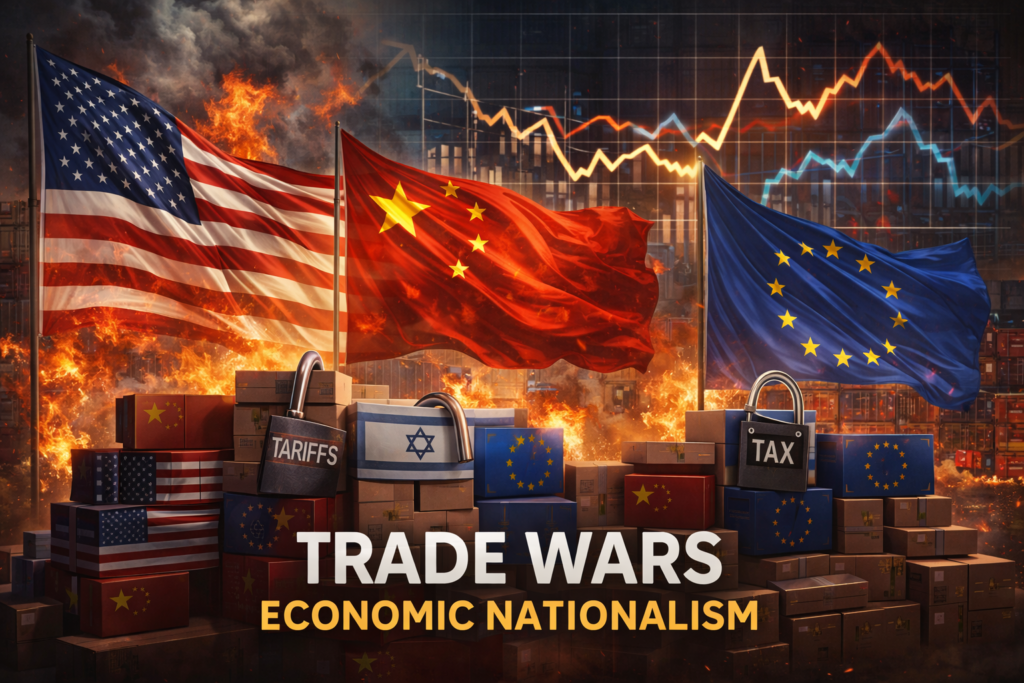
Trade tensions are another important aspect of modern geopolitical competition.
Governments are increasingly using economic tools such as tariffs, export controls, and sanctions to protect national interests or influence international behavior.
Trade disputes between major economies can affect global supply chains and disrupt industries such as technology, automotive manufacturing, and agriculture.
For example, restrictions on advanced semiconductor technology exports have become a major issue in the competition for technological dominance.
Many countries are now trying to reduce dependence on foreign supply chains by investing in domestic manufacturing and strategic industries.
This trend is often described as economic nationalism, where governments prioritize national economic security over globalization.
The Role of Technology in Geopolitical Competition
Technology has become a critical factor in modern geopolitical rivalries.
Countries are competing aggressively to dominate emerging technologies such as:
- artificial intelligence
- quantum computing
- cybersecurity
- satellite communication
- semiconductor manufacturing
Control over these technologies provides strategic advantages in both economic development and national security.
Governments are investing billions of dollars in research, innovation, and technology infrastructure to strengthen their global position.
The race for technological dominance is expected to become one of the defining geopolitical struggles of the 21st century.
Global Alliances and Shifting Diplomatic Relations
In response to rising geopolitical tensions, countries are strengthening alliances and forming new diplomatic partnerships.
Traditional alliances such as NATO continue to play an important role in maintaining international security. At the same time, new partnerships and regional organizations are emerging to address shared challenges.
Countries are collaborating on defense cooperation, intelligence sharing, and economic development to improve their collective resilience against geopolitical threats.
Diplomacy remains a crucial tool for managing international conflicts and preventing escalation.
Many international organizations are working to promote dialogue and peaceful conflict resolution in regions experiencing instability.
Climate, Migration, and Security Risks
Beyond military conflicts and economic rivalries, other global challenges are also contributing to geopolitical tensions.
Climate change is increasingly linked to geopolitical instability. Extreme weather events, droughts, and environmental disasters can lead to resource scarcity, population displacement, and political unrest.
Migration pressures caused by conflicts and economic inequality can also create tensions between countries.
Governments around the world are now recognizing that climate, economic, and security issues are interconnected and require coordinated international responses.
A More Uncertain Global Future
Experts believe the coming decade will likely be marked by continued geopolitical uncertainty. According to global risk assessments, interstate conflicts and geoeconomic competition are among the most significant threats facing the world today.
Many analysts argue that the international system is entering a new era of competition where cooperation between nations may become more complex.
However, despite these challenges, diplomacy, economic cooperation, and technological innovation still offer pathways toward global stability.
International institutions, governments, and civil society organizations will need to work together to address these challenges and prevent conflicts from escalating further.
Conclusion
Geopolitical tensions in 2026 reflect a rapidly changing global order where conflicts, economic competition, and technological rivalry are shaping international relations.
From the escalating Middle East crisis to global competition for technological leadership, the world is entering a period of strategic uncertainty.
These developments highlight the importance of international cooperation, diplomatic engagement, and responsible leadership in maintaining global peace and stability.
For businesses, governments, and citizens alike, understanding these geopolitical trends is essential for navigating the complexities of the modern world.
As nations continue to adapt to shifting power dynamics, the choices made today will shape the future of global security and economic prosperity for years to come.