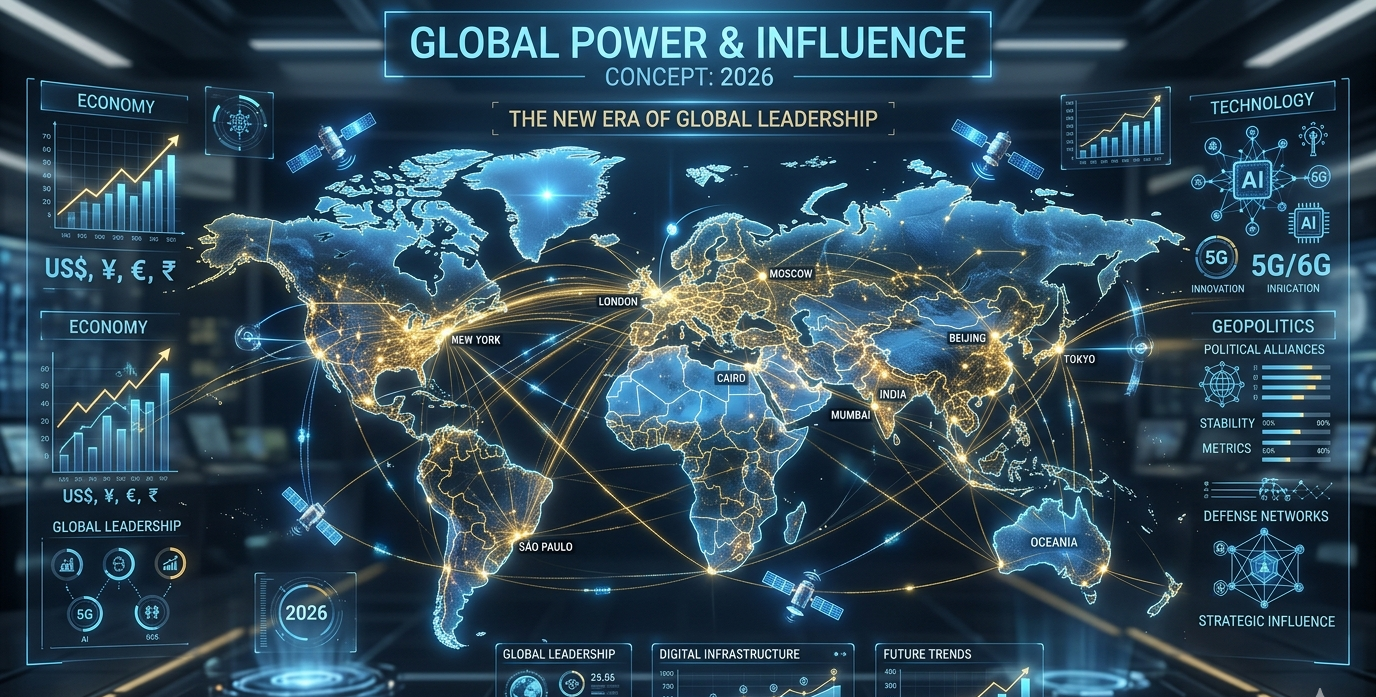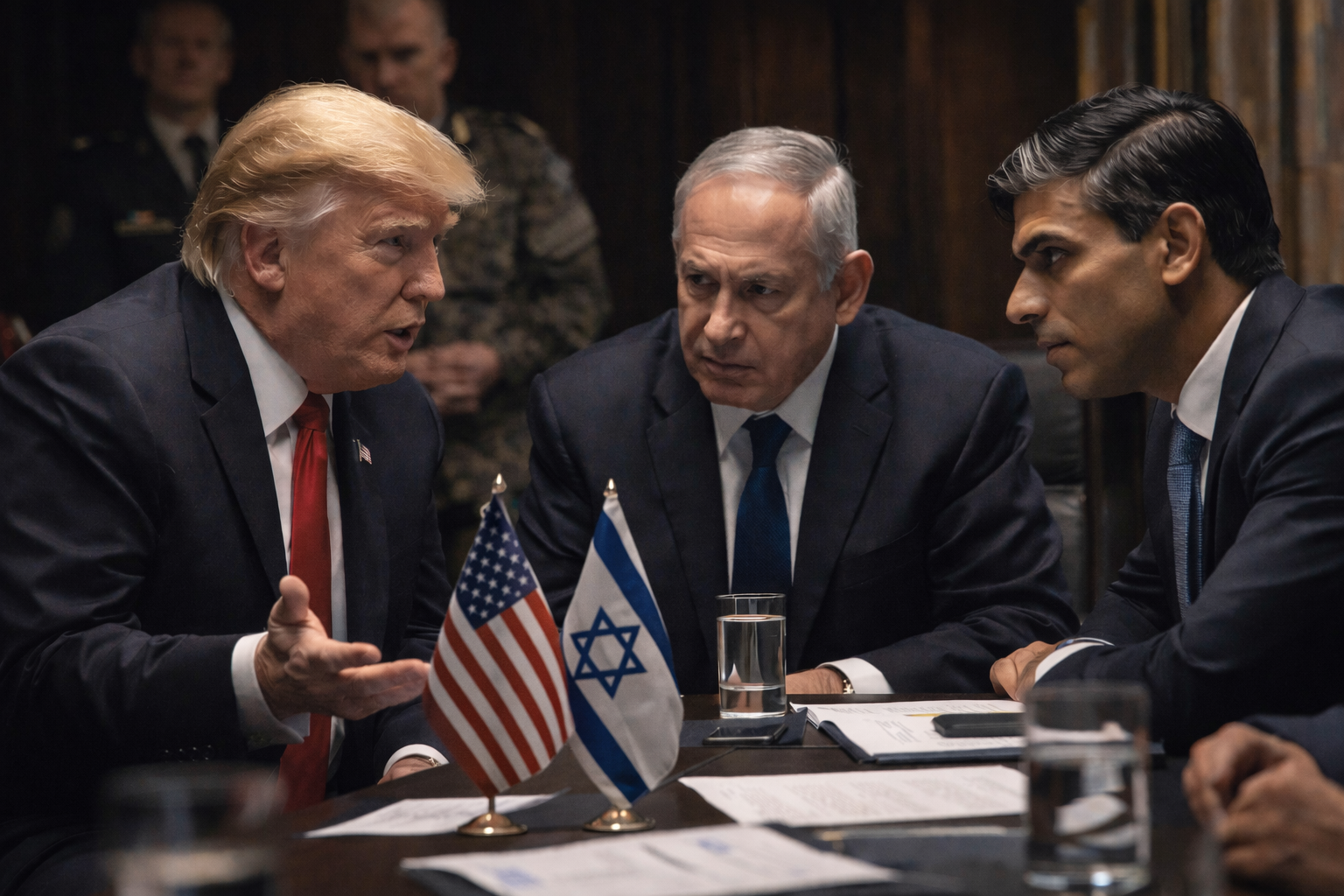

In the rapidly evolving landscape of international relations, global power dynamics are undergoing significant transformation. New alliances are forming, traditional partnerships are shifting, and emerging economies are playing a stronger role in shaping world politics. These developments are influencing global security, trade, technology, and diplomacy.
From rising geopolitical competition to strategic economic partnerships, the modern world is witnessing a new era of international cooperation and rivalry. In this article , we explore how new alliances are reshaping global politics and what these changes mean for the future of international relations.
Understanding Global Power Shifts
Global power shifts occur when influence moves from established global powers to emerging nations or when countries restructure their international partnerships. Historically, world politics has been dominated by powerful nations such as the United States and major European countries. However, the global balance of power is gradually changing.
Economic growth in developing nations, technological advancements, and strategic geopolitical decisions are contributing to a more multipolar world. Today, countries are building alliances not only for military cooperation but also for economic growth, energy security, and technological development.
These changes are shaping the way nations interact with each other and how global decisions are made.
The Rise of a Multipolar World
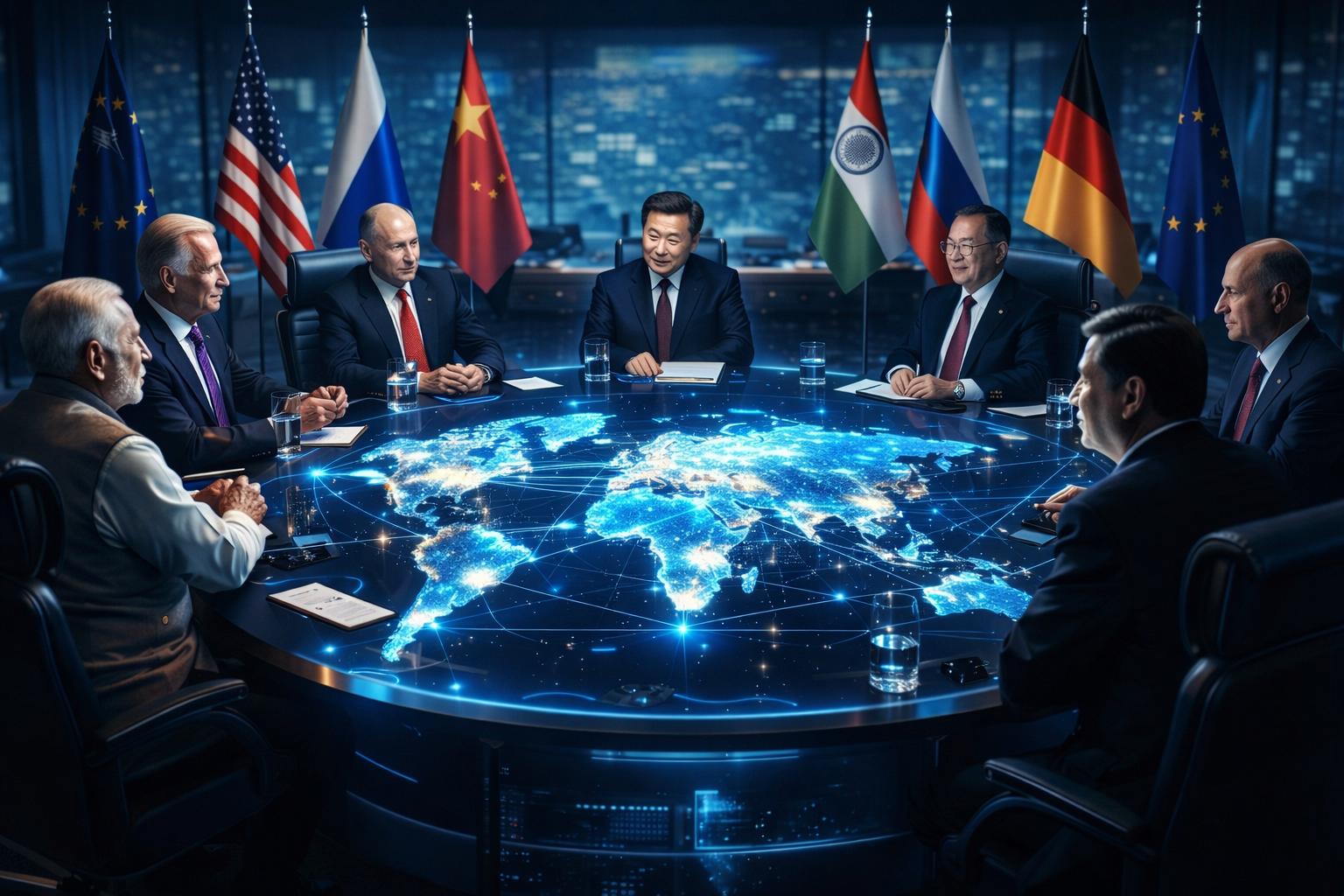
For decades after the Cold War, the global political system was largely influenced by the dominance of the United States. However, the international landscape is now evolving toward a multipolar system, where several major powers share influence.
Countries such as China and India are becoming key players in global economics, technology, and diplomacy. Meanwhile, organizations like BRICS are creating platforms where emerging economies collaborate on global issues.
This shift toward a multipolar world is creating new alliances and partnerships that challenge traditional geopolitical structures.
Economic Alliances Reshaping Global Trade
Economic partnerships are one of the most powerful tools countries use to strengthen their global influence. Trade agreements and regional economic groups help nations improve market access, strengthen supply chains, and enhance financial cooperation.
Organizations such as BRICS and the European Union play a critical role in shaping global trade policies.
Emerging economies are increasingly collaborating to reduce dependence on traditional economic powers. As a result, new financial systems, development banks, and trade routes are being developed to support economic growth.
These alliances not only influence trade but also reshape the global economic order.
Military and Security Partnerships
Security concerns remain a major factor in the formation of international alliances. Countries often collaborate to strengthen defense capabilities and address regional security challenges.
The North Atlantic Treaty Organization remains one of the most influential defense alliances in the world. At the same time, other security partnerships are emerging in regions such as Asia and the Indo-Pacific.
For example, nations in the Indo-Pacific region are increasing cooperation to maintain stability and ensure freedom of navigation in strategic sea routes. These partnerships demonstrate how military alliances continue to play an important role in global geopolitics.
Technology and Strategic Cooperation
Technology is becoming a central factor in global power competition. Countries are forming alliances to collaborate on artificial intelligence, cybersecurity, semiconductor production, and space exploration.
Global technology leaders such as Microsoft, Apple, and Google are influencing the digital economy and shaping technological cooperation between nations.
Governments are increasingly investing in innovation partnerships to ensure technological independence and competitiveness. These alliances are driving research collaboration, investment in advanced infrastructure, and the development of next-generation technologies.
The Role of Emerging Economies
Emerging economies are becoming key contributors to global political and economic discussions. Countries such as Brazil, India, and South Africa are strengthening their global presence through diplomatic engagement and economic partnerships.
These nations are advocating for reforms in global institutions and seeking greater representation in international decision-making bodies.
The growing influence of emerging economies is encouraging a more balanced global system where multiple regions contribute to shaping international policies.
Regional Alliances and Strategic Influence
Regional organizations are also playing a crucial role in shaping global politics. These alliances help neighboring countries address shared challenges such as trade, security, climate change, and infrastructure development.
For instance, the Association of Southeast Asian Nations promotes economic cooperation and political stability in Southeast Asia. Similarly, the African Union works to strengthen political and economic integration across Africa.
Such regional alliances demonstrate how countries can collaborate to enhance stability and economic growth within their regions.
Challenges and Risks of New Alliances
While new alliances bring opportunities for cooperation and development, they also create challenges for global stability.
Some potential risks include:
Increasing geopolitical competition
Rival alliances may lead to increased tensions between major powers.
Economic fragmentation
Different trade blocs may create barriers that affect global supply chains.
Strategic rivalry
Competition in technology and defense could intensify international rivalries.
Managing these challenges requires diplomatic dialogue, transparency, and cooperation between nations.
The Future of Global Alliances
The future of global politics will likely involve a complex network of alliances and partnerships. Countries will continue to build strategic relationships to address shared challenges such as climate change, economic stability, cybersecurity, and public health.
International cooperation will remain essential for solving global problems that no single country can address alone.
As new alliances continue to emerge, the global political landscape will become more interconnected and dynamic. Understanding these changes will be crucial for governments, businesses, and citizens worldwide.
Conclusion
The world is entering a new phase of geopolitical transformation. Global power is no longer concentrated in a single region but is distributed among several influential nations and alliances.
Economic partnerships, security cooperation, and technological collaboration are reshaping international relations. Organizations such as the BRICS and alliances like North Atlantic Treaty Organization illustrate how countries are redefining their strategic priorities.
As these alliances continue to evolve, they will play a crucial role in shaping the future of global politics, economic development, and international security.