
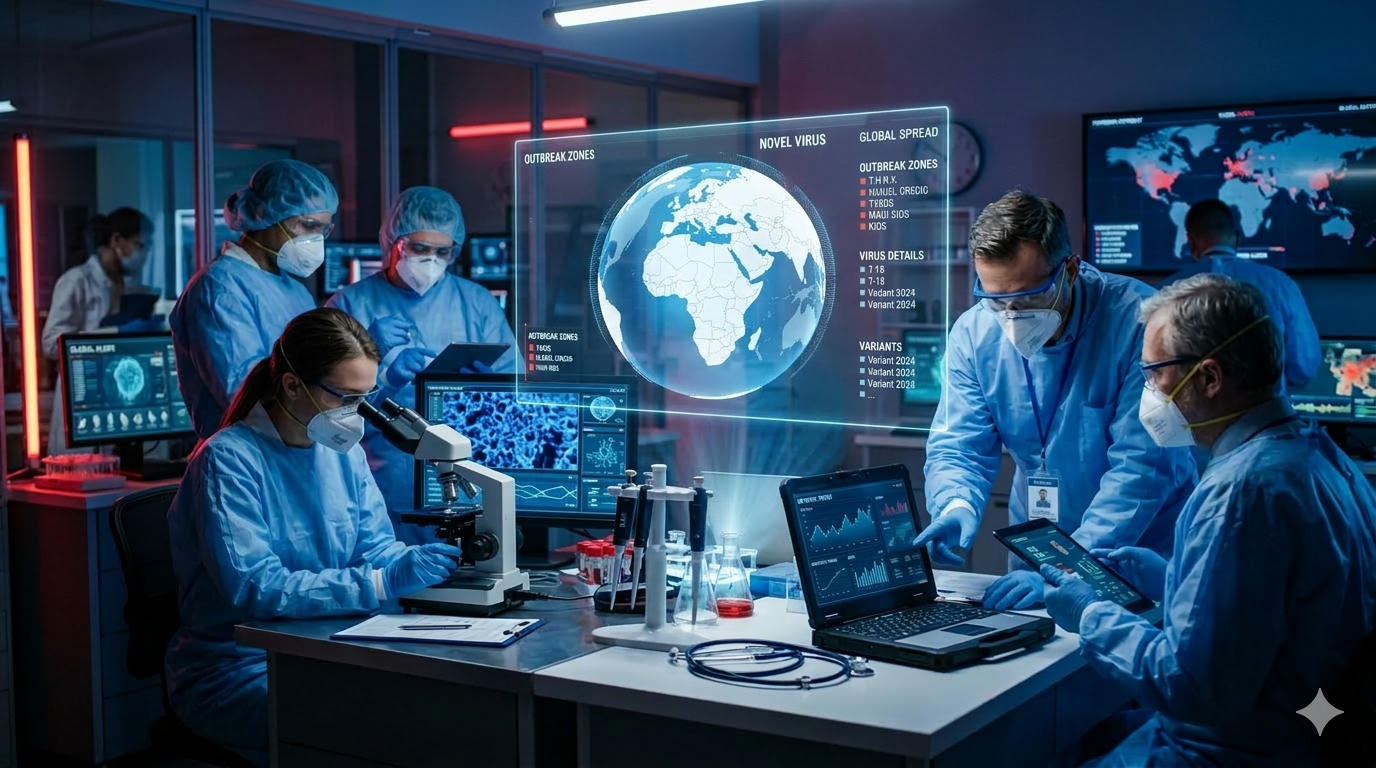
Over the past few decades, the world has experienced several major health emergencies that have tested the resilience of global healthcare systems, governments, and communities. From viral outbreaks to large-scale pandemics, global health crises have reshaped how societies prepare for and respond to medical threats. Events such as the outbreak of COVID-19 demonstrated how quickly diseases can spread across borders and disrupt economies, healthcare systems, and everyday life.
The interconnected nature of the modern world means that health crises are no longer confined to one region. International travel, global trade, and densely populated urban areas allow diseases to spread rapidly. As a result, public health challenges in one country can quickly become global concerns.
While these crises have caused immense challenges, they have also provided valuable lessons for governments, healthcare professionals, and communities worldwide. Understanding these lessons is essential for building stronger healthcare systems and preparing for future health emergencies.
The Importance of Early Detection and Rapid Response
One of the most important lessons from recent global health crises is the value of early detection. When health authorities identify outbreaks quickly, they can take action to prevent widespread transmission.
Rapid response measures may include testing programs, contact tracing, travel restrictions, and public health advisories. These actions help contain outbreaks before they escalate into global emergencies.
During the spread of COVID-19, many countries discovered that delays in recognise and responding to the virus allowed it to spread rapidly. This experience highlighted the need for stronger disease surveillance systems and faster communication between health organisations.
Improving early detection technologies and strengthening global monitoring networks are now top priorities for many governments and international health agencies.
Strengthening Healthcare Systems Worldwide
Recent health crises exposed vulnerabilities in healthcare systems across both developed and developing countries. Hospitals faced shortages of medical supplies, healthcare workers were overwhelmed, and intensive care units reached capacity in many regions.
These challenges demonstrated the importance of investing in healthcare infrastructure. Strong healthcare systems require adequate funding, well-trained professionals, modern equipment, and efficient management systems.
Governments around the world are now focusing on expanding healthcare capacity, improving hospital preparedness, and ensuring access to essential medical resources. Strengthening healthcare systems not only helps manage emergencies but also improves everyday medical care for populations.
The Role of Global Cooperation
Global health crises cannot be solved by individual countries acting alone. Diseases do not recognize national borders, making international cooperation essential.
Organizations such as the World Health Organization play a critical role in coordinating responses to global health emergencies. These organizations provide guidance, share scientific information, and support countries with limited resources.
During major outbreaks, collaboration between governments, researchers, pharmaceutical companies, and healthcare professionals helps accelerate the development of treatments and vaccines.
Global cooperation also helps ensure that medical resources, including vaccines and essential medications, are distributed more fairly across different regions.
The Rise of Medical Research and Vaccine Development
Another significant lesson from recent health crises is the importance of scientific research and innovation. Medical researchers worked rapidly to study new viruses, develop diagnostic tools, and create effective vaccines.
The development of vaccines during the COVID-19 pandemic demonstrated how global collaboration and advanced technology can accelerate scientific breakthroughs. Pharmaceutical companies and research institutions used modern biotechnology, data analysis, and international partnerships to produce vaccines in record time.
Investments in medical research not only help address current health emergencies but also prepare the world for future threats. Continued support for scientific innovation will remain a key factor in global health security.
The Impact of Technology in Public Health
Technology has become an essential tool in managing health crises. Digital platforms, artificial intelligence, and data analytics allow governments and healthcare organizations to monitor outbreaks, track infections, and share information quickly.
Telemedicine also gained popularity during global health emergencies. Patients could consult doctors remotely, reducing the burden on hospitals and minimizing exposure to infectious diseases.
Mobile applications and digital health systems have improved communication between public health authorities and citizens. These tools provide updates, health guidelines, and vaccination information in real time.
As technology continues to evolve, digital health solutions will play an even greater role in managing public health challenges.
Public Awareness and Community Responsibility
Public behavior plays a major role in controlling disease outbreaks. During health crises, individuals must follow guidelines such as hygiene practices, vaccination programs, and preventive measures.
Recent global health emergencies highlighted the importance of public awareness campaigns. Clear communication from governments and health organizations helps citizens understand the risks and take appropriate actions.
Communities that actively participate in health initiatives often experience better outcomes during outbreaks. Cooperation between citizens and authorities is essential for controlling the spread of diseases.
Education and public health awareness will remain important components of future preparedness strategies.
Economic and Social Impacts of Health Crises
Health crises affect more than just medical systems—they also impact economies and societies worldwide. Lockdowns, travel restrictions, and disruptions to supply chains can cause major economic challenges.
Businesses may face financial losses, workers may lose jobs, and industries such as tourism and transportation can be heavily affected. These economic consequences highlight the need for governments to develop strategies that protect both public health and economic stability.
Social impacts are also significant. Health crises can increase stress, anxiety, and uncertainty among populations. Providing mental health support and social assistance programs is crucial during these times.
Understanding these broader impacts helps policymakers create balanced responses that address both health and economic concerns.
Preparing for Future Global Health Emergencies
One of the most important outcomes of recent global health crises is the recognition that preparation is essential. Governments and organizations must develop comprehensive plans to respond quickly to emerging threats.
Preparedness strategies include improving disease surveillance systems, strengthening healthcare infrastructure, investing in research, and developing emergency response frameworks.
Training healthcare workers and conducting simulation exercises can also improve readiness. These measures ensure that medical professionals and authorities are better equipped to manage future outbreaks.
International collaboration will continue to play a key role in building a coordinated global response to health emergencies.
Conclusion
Recent global health crises have provided valuable lessons that will shape the future of public health worldwide. From early detection and rapid response to global cooperation and technological innovation, these experiences have highlighted the importance of preparedness and collaboration.
Strengthening healthcare systems, investing in research, and improving communication between governments and communities are essential steps toward building a safer and healthier world. By applying these lessons, countries can better protect their populations and respond effectively to future health challenges.
As the global community continues to learn from past experiences, the goal remains clear: to create resilient healthcare systems and coordinated responses that safeguard the well-being of people everywhere.