

Introduction
In recent years, the global business landscape has undergone a dramatic transformation. What once required large corporate structures, significant capital, and massive teams can now be achieved by individuals or small teams operating from anywhere in the world. The rise of digital platforms, automation tools, and remote work technologies has made it possible for entrepreneurs to build powerful businesses without traditional corporate resources.
These small yet highly efficient operations are often referred to as micro-businesses. Unlike traditional corporations that rely on complex hierarchies and large workforces, micro-businesses operate with lean systems, digital tools, and streamlined workflows. In 2026, many of these small enterprises are outperforming larger organizations in agility, innovation, and profitability.
From freelance professionals and e-commerce entrepreneurs to digital creators and niche service providers, micro-business owners are demonstrating that success in the modern economy depends more on smart systems and strategic execution than company size. This shift is redefining how businesses grow, compete, and succeed in the global marketplace.
What Are Micro-Businesses?
A micro-business is typically defined as a small enterprise run by one person or a small team, often with fewer than ten employees. These businesses rely heavily on digital tools, automation systems, and online platforms to manage operations, marketing, and customer relationships.
Unlike traditional startups that aim to rapidly scale into large corporations, many micro-businesses focus on efficiency, profitability, and flexibility. Their goal is not necessarily to build massive organizations but to create sustainable income and scalable systems that require minimal overhead.
Common examples of micro-businesses include:
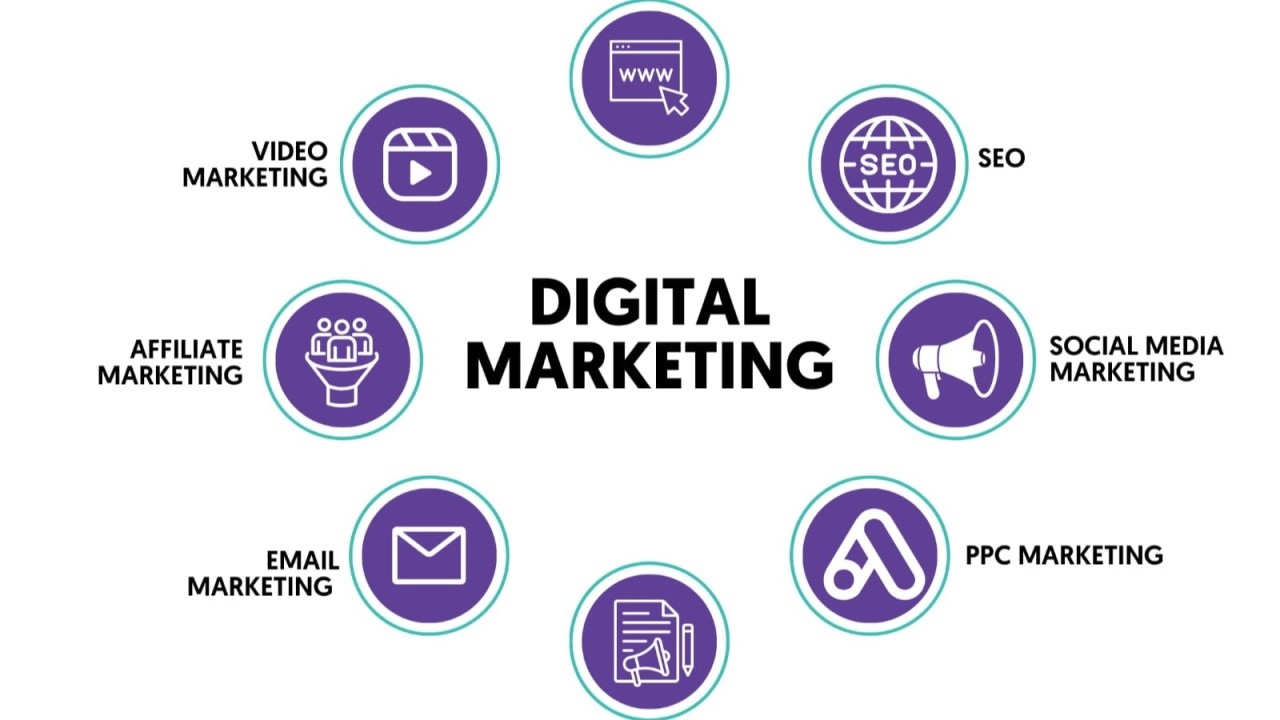
- Digital marketing agencies run by small teams
- Online coaching and consulting services
- E-commerce stores selling niche products
- Content creators monetizing blogs, videos, or podcasts
- Freelancers offering specialized skills
These businesses demonstrate that small size can be a strategic advantage in the digital economy.
Why Micro-Businesses Are Thriving in 2026
Several factors have contributed to the rapid growth of micro-businesses worldwide.
First, technology has dramatically reduced the barriers to entry for entrepreneurs. Tools for website creation, payment processing, digital marketing, and project management are widely available and affordable.
Second, consumer behavior has shifted toward supporting independent brands and personalized services. Customers increasingly value authenticity, direct communication, and unique experiences that smaller businesses often provide better than large corporations.
Finally, the rise of remote work has enabled talented professionals to operate businesses from anywhere. Entrepreneurs no longer need physical offices or large infrastructure to reach global customers.
Together, these trends have created an environment where small, agile businesses can compete with industry giants.
The Power of Systems in Micro-Business Growth
One of the most important reasons micro-businesses are outperforming corporations is their ability to build efficient systems.
Instead of hiring large teams to handle repetitive tasks, modern entrepreneurs rely on automation and digital workflows. These systems allow a single person or small team to manage tasks that once required entire departments.
Examples of systems used by micro-businesses include:
- Automated email marketing sequences
- Online sales funnels and digital payment platforms
- Customer relationship management tools
- Content scheduling and social media automation
- Cloud-based collaboration tools
By creating repeatable systems, micro-business owners can scale their operations without significantly increasing costs or complexity.
Speed and Agility: A Competitive Advantage
Large corporations often struggle with slow decision-making processes due to multiple layers of management and bureaucracy. Micro-businesses, however, can move quickly and adapt to market changes in real time.
For example, a solo entrepreneur running an online store can test new products, adjust pricing strategies, or change marketing campaigns within hours. A large corporation might require weeks or months to implement similar changes.
This speed and agility allow micro-businesses to respond to trends faster, experiment with innovative ideas, and stay ahead of competitors.
Lower Costs and Higher Profit Margins
Another major advantage of micro-businesses is their ability to operate with significantly lower overhead costs.
Traditional corporations often spend enormous amounts on office space, administrative staff, and complex operational structures. Micro-businesses, on the other hand, rely on digital tools and remote operations to keep expenses low.
This lean approach allows entrepreneurs to maintain higher profit margins even with smaller revenue streams. In many cases, a well-structured micro-business can generate substantial income with minimal operating costs.
Lower expenses also make these businesses more resilient during economic uncertainty, as they require less revenue to remain profitable.
Personal Branding and Authentic Marketing
Modern consumers are increasingly drawn to authentic brands and personal stories. Micro-business owners often build strong personal brands that connect directly with their audiences.
Through social media, blogs, and online communities, entrepreneurs can communicate their expertise, values, and experiences. This transparency helps build trust and loyalty among customers.
Unlike large corporations that often rely on impersonal marketing campaigns, micro-businesses can create meaningful relationships with their audience. These connections often translate into higher engagement, repeat customers, and stronger brand loyalty.
Technology Empowering Small Businesses
The rapid advancement of technology continues to empower small entrepreneurs.
Cloud computing, artificial intelligence, and automation tools allow micro-business owners to handle complex operations with ease. Tasks such as customer support, marketing analytics, and financial tracking can now be managed with powerful digital platforms.
E-commerce marketplaces and global payment systems have also made it easier for entrepreneurs to reach international customers. A small business operating from a home office can sell products or services to clients around the world.
This global accessibility has helped micro-businesses become significant players in the digital economy.
Challenges Faced by Micro-Business Owners
Despite their advantages, micro-businesses also face certain challenges.
Running a small business often requires individuals to manage multiple responsibilities, including marketing, finance, customer support, and product development. Without proper systems in place, this workload can become overwhelming.
Additionally, micro-business owners may encounter difficulties scaling their operations if demand grows rapidly. Building effective systems and delegating tasks becomes essential for long-term growth.
Another challenge is competition. As more people enter the digital marketplace, standing out requires strong branding, high-quality content, and consistent value for customers.
However, entrepreneurs who develop efficient workflows and focus on their unique strengths can successfully overcome these challenges.
The Future of Micro-Businesses
Looking ahead, micro-businesses are expected to play an even larger role in the global economy. Advances in artificial intelligence, automation, and digital infrastructure will continue to reduce barriers for entrepreneurs.
More professionals are choosing independent careers rather than traditional corporate jobs. This shift is creating a new generation of business owners who value flexibility, creativity, and independence.
Governments and organizations are also recognizing the economic impact of small businesses and are increasingly supporting entrepreneurship initiatives.
As technology evolves and global connectivity improves, micro-businesses will likely become one of the most influential forces shaping the future of work and commerce.
Conclusion
The rise of micro-businesses represents a fundamental shift in how modern companies operate and compete. By leveraging digital tools, automation systems, and lean business models, small entrepreneurs can achieve remarkable efficiency and profitability.
In 2026, success in business is no longer defined solely by company size. Instead, it depends on innovation, adaptability, and the ability to create scalable systems. Micro-businesses demonstrate that individuals and small teams can outperform large corporations by focusing on agility, efficiency, and authentic connections with customers.