
In the modern digital economy, businesses must continuously adapt to new technologies and changing consumer behaviors. Traditional marketing techniques such as newspaper ads, billboards, and cold calls are gradually losing their effectiveness as consumers spend more time online. Today, businesses rely heavily on digital marketing to reach potential customers, build brand authority, and increase sales.
Digital marketing has opened new opportunities for companies of all sizes. From small startups to multinational corporations, businesses can now promote their products and services globally through online platforms. This transformation has changed how brands communicate with customers, making marketing more targeted, measurable, and cost-effective.
Another major advantage of digital marketing is accessibility. Even small businesses with limited budgets can compete with large companies by using effective online marketing strategies such as search engine optimization, content marketing, and social media promotion. As a result, digital marketing has become an essential growth driver for modern businesses across the world.
What is Digital Marketing?
Digital marketing refers to the promotion of products or services using online channels such as search engines, websites, social media platforms, email, and paid advertisements. Unlike traditional marketing methods, digital marketing allows businesses to communicate with their audience in real time and track the performance of their campaigns.
In today’s connected world, consumers research products online before making purchasing decisions. They read reviews, watch videos, compare prices, and interact with brands through social media platforms. Because of this shift in consumer behavior, businesses must establish a strong online presence to stay competitive.
Digital marketing also allows companies to target specific audiences based on demographics, interests, and online behavior. This level of targeting makes marketing campaigns more efficient and ensures that businesses reach the people most likely to be interested in their products or services.
For modern businesses, digital marketing is no longer optional—it is a necessary strategy for growth, brand visibility, and customer engagement.
Key Digital Marketing Channels Transforming Businesses
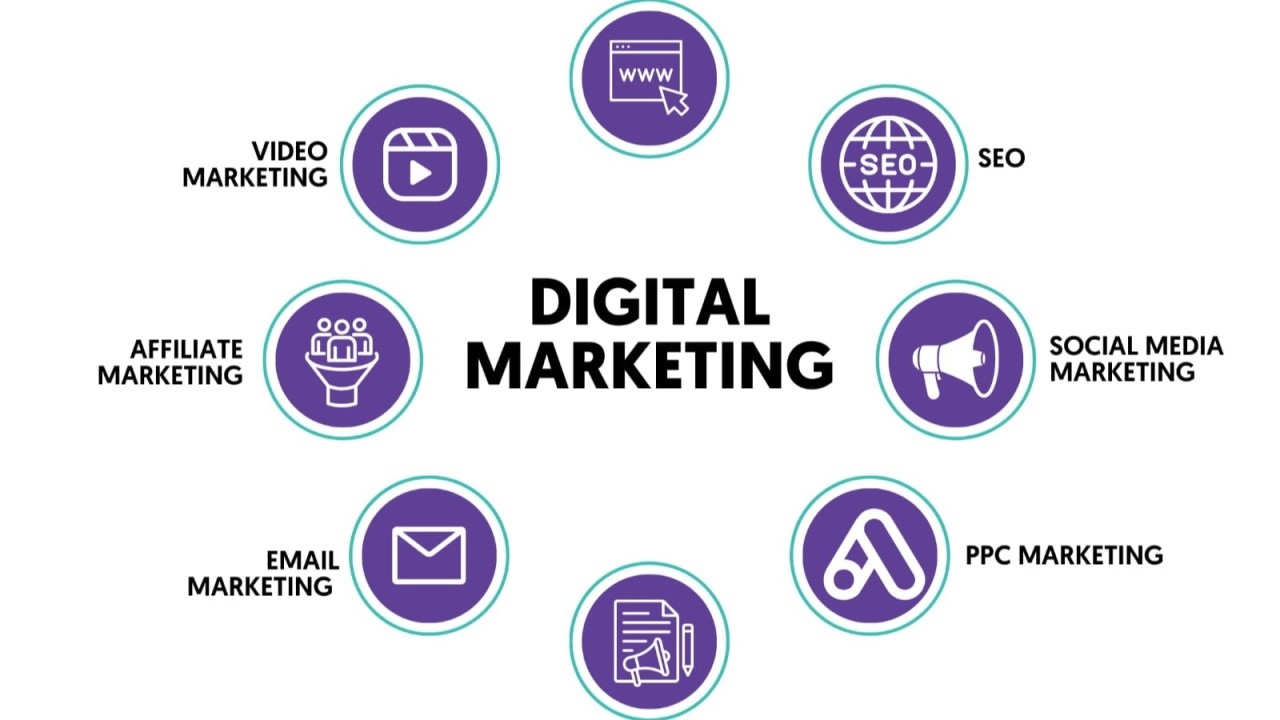
Digital marketing includes several powerful channels that help businesses reach and engage with their target audience. Each channel plays a unique role in building a successful online presence.
Search Engine Optimization (SEO)
Search Engine Optimization (SEO) is one of the most important components of digital marketing. SEO focuses on improving a website’s visibility in search engine results when users search for specific keywords related to a business.
When a website ranks higher on search engines, it attracts more organic traffic. This means businesses can receive visitors without paying for advertisements. SEO involves optimizing website content, improving technical performance, building backlinks, and using relevant keywords.
For modern businesses, SEO is essential because most online experiences begin with a search engine. Companies that invest in SEO gain long-term visibility and credibility in their industry.
Social Media Marketing
Social media has transformed the way businesses connect with customers. Platforms such as Facebook, Instagram, LinkedIn, and X (formerly Twitter) allow companies to interact directly with their audience and build strong brand relationships.
Through social media marketing, businesses can share updates, promote products, engage with followers, and run advertising campaigns. Social platforms also provide valuable insights into customer preferences and behaviors.
For many modern businesses, social media is not only a marketing channel but also a customer service platform where brands respond to questions, feedback, and complaints in real time.
Content Marketing
Content marketing focuses on creating valuable and informative content that attracts and engages potential customers. Instead of directly promoting products, businesses provide useful information that helps solve problems or answer questions.
Common forms of content marketing include blog posts, videos, infographics, podcasts, and guides. High-quality content helps businesses establish authority in their industry and improve their search engine rankings.
For example, blogs published on websites like newzinsert.com can attract readers searching for industry insights, business trends, or marketing strategies. Over time, consistent content publishing builds trust and encourages customer loyalty.
Email Marketing
Email marketing remains one of the most effective digital marketing channels. Businesses use email campaigns to communicate directly with customers, share updates, promote offers, and nurture long-term relationships.
Unlike social media, where algorithms control visibility, email allows businesses to reach their audience directly in their inbox. Personalized email campaigns can significantly improve engagement and conversion rates.
Companies often use email marketing to send newsletters, product announcements, event invitations, and exclusive promotions to subscribers.
Pay-Per-Click Advertising (PPC)
Pay-Per-Click advertising, commonly known as PPC, is a form of online advertising where businesses pay only when someone clicks on their ad. These ads typically appear on search engines and social media platforms.
PPC advertising provides immediate visibility and allows businesses to reach potential customers quickly. Companies can target specific keywords, locations, and audience demographics to ensure their ads reach the right people.
When managed effectively, PPC campaigns can generate significant website traffic and increase sales in a short period of time.
Benefits of Digital Marketing for Modern Businesses
Digital marketing provides numerous advantages that make it an essential strategy for businesses worldwide.
Global Reach
One of the biggest benefits of digital marketing is the ability to reach customers worldwide. Businesses can promote their products to international audiences without opening physical stores in different countries.
Cost-Effective Marketing
Compared to traditional advertising methods such as television or print media, digital marketing is much more affordable. Even small businesses can run marketing campaigns with limited budgets.
Targeted Audience
Digital marketing allows businesses to target specific audiences based on age, location, interests, and online behavior. This ensures that marketing messages reach the most relevant potential customers.
Measurable Results
Digital marketing tools provide detailed analytics that help businesses track performance. Metrics such as website traffic, click-through rates, and conversions allow companies to evaluate the success of their campaigns.
Brand Awareness
Consistent online marketing efforts help businesses build strong brand recognition. A well-managed online presence can establish credibility and trust among customers.
Challenges Businesses Face in Digital Marketing
Although digital marketing offers many benefits, it also presents several challenges that businesses must manage effectively.
One of the main challenges is the constantly changing nature of digital platforms. Search engine algorithms and social media policies frequently change, which can impact marketing performance.
Another challenge is intense competition. As more businesses adopt digital marketing strategies, standing out in crowded online markets becomes increasingly difficult.
Businesses also need skilled professionals who understand SEO, content marketing, data analysis, and digital advertising platforms. Without proper knowledge and expertise, marketing campaigns may fail to deliver desired results.
Additionally, managing multiple marketing channels simultaneously requires time, effort, and strategic planning.
Future of Digital Marketing
The future of digital marketing is closely linked with technological innovation. New tools and technologies are transforming how businesses interact with customers and deliver personalized experiences.
Artificial intelligence (AI) is playing an increasingly important role in marketing. AI-powered tools can analyze customer data, predict trends, and automate marketing tasks.
Automation is another key trend. Marketing automation platforms allow businesses to schedule campaigns, manage leads, and track performance more efficiently.
Personalization is also becoming a critical factor in successful marketing strategies. Customers now expect brands to deliver tailored recommendations, targeted offers, and relevant content based on their preferences.
Data-driven marketing is expected to dominate the future as businesses rely more on analytics to guide their decisions and optimize campaigns.
Conclusion
Digital marketing has fundamentally changed the way modern businesses operate and compete in today’s global marketplace. By leveraging powerful channels such as SEO, social media marketing, content marketing, email campaigns, and PPC advertising, businesses can reach wider audiences and build stronger relationships with customers.
Although digital marketing comes with challenges such as competition and evolving technologies, companies that invest in effective online strategies can achieve sustainable growth and long-term success.
For businesses aiming to thrive in the digital era, adopting innovative digital marketing strategies is essential. As technology continues to evolve, digital marketing will remain one of the most powerful tools for business growth and global brand expansion.