
Artificial Intelligence is advancing at a remarkable pace, transforming industries that once relied entirely on human skill and experience. From automated factories to self-driving vehicles, AI is becoming deeply integrated into the way machines are built, monitored, and repaired. This rapid shift raises an important question: can AI replace mechanics in the next 10 years?
Mechanics are essential to industries such as automotive, manufacturing, aviation, and heavy equipment. They diagnose problems, repair complex systems, and ensure machines operate safely and efficiently. As AI tools become more powerful, it is natural to wonder whether these traditional roles will disappear or evolve into something new.
Understanding the Role of AI in Mechanical Work
To understand the future, we must first look at what AI is already capable of doing in mechanical environments. Today, AI is not just a concept but a working tool used in garages, factories, and service centers.
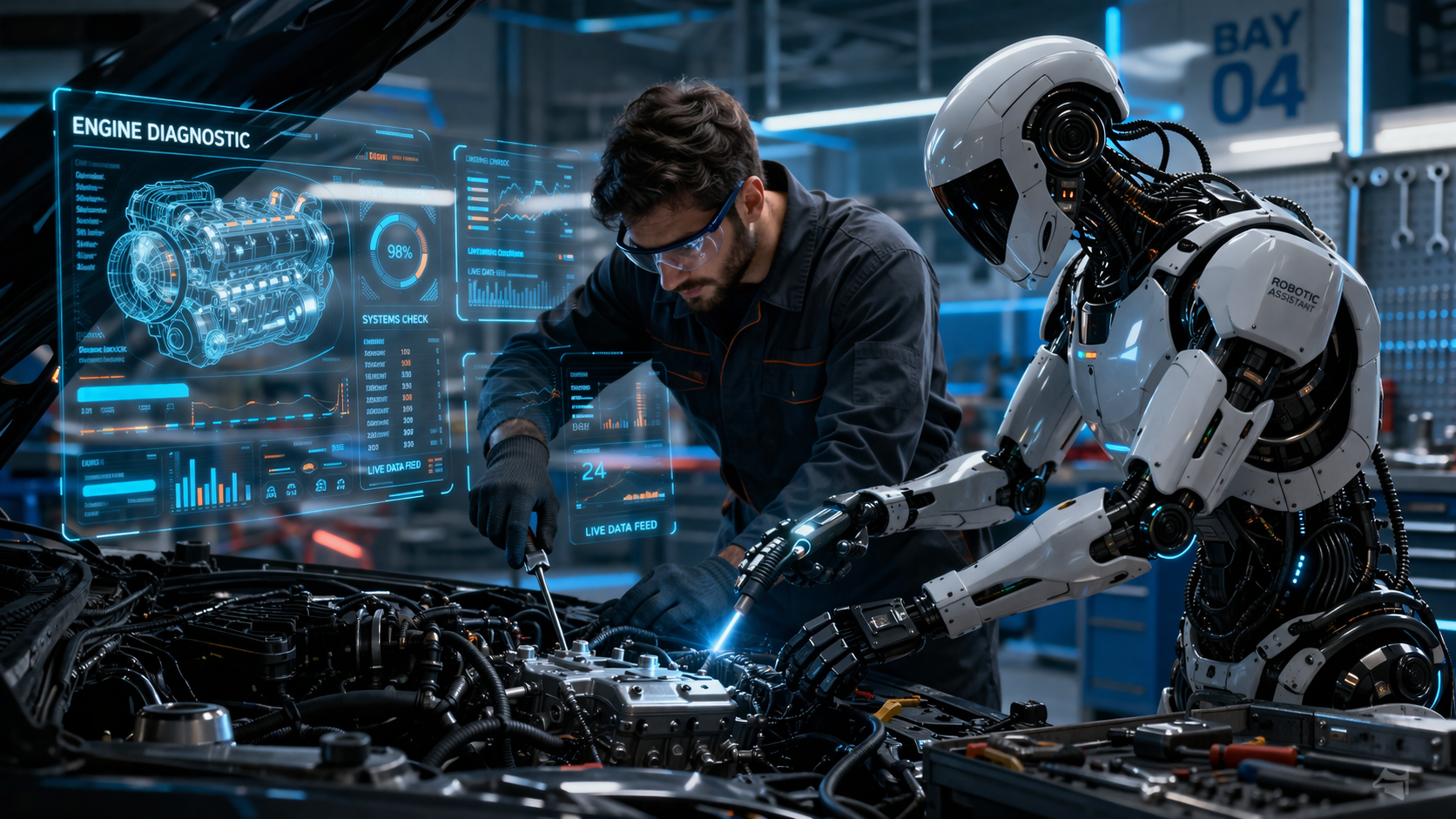
AI systems can analyze large amounts of data from sensors and detect patterns that humans might miss. In modern vehicles, onboard diagnostic systems can identify faults within seconds. In industrial settings, predictive maintenance tools use AI to detect early signs of machine failure, reducing downtime and saving costs.
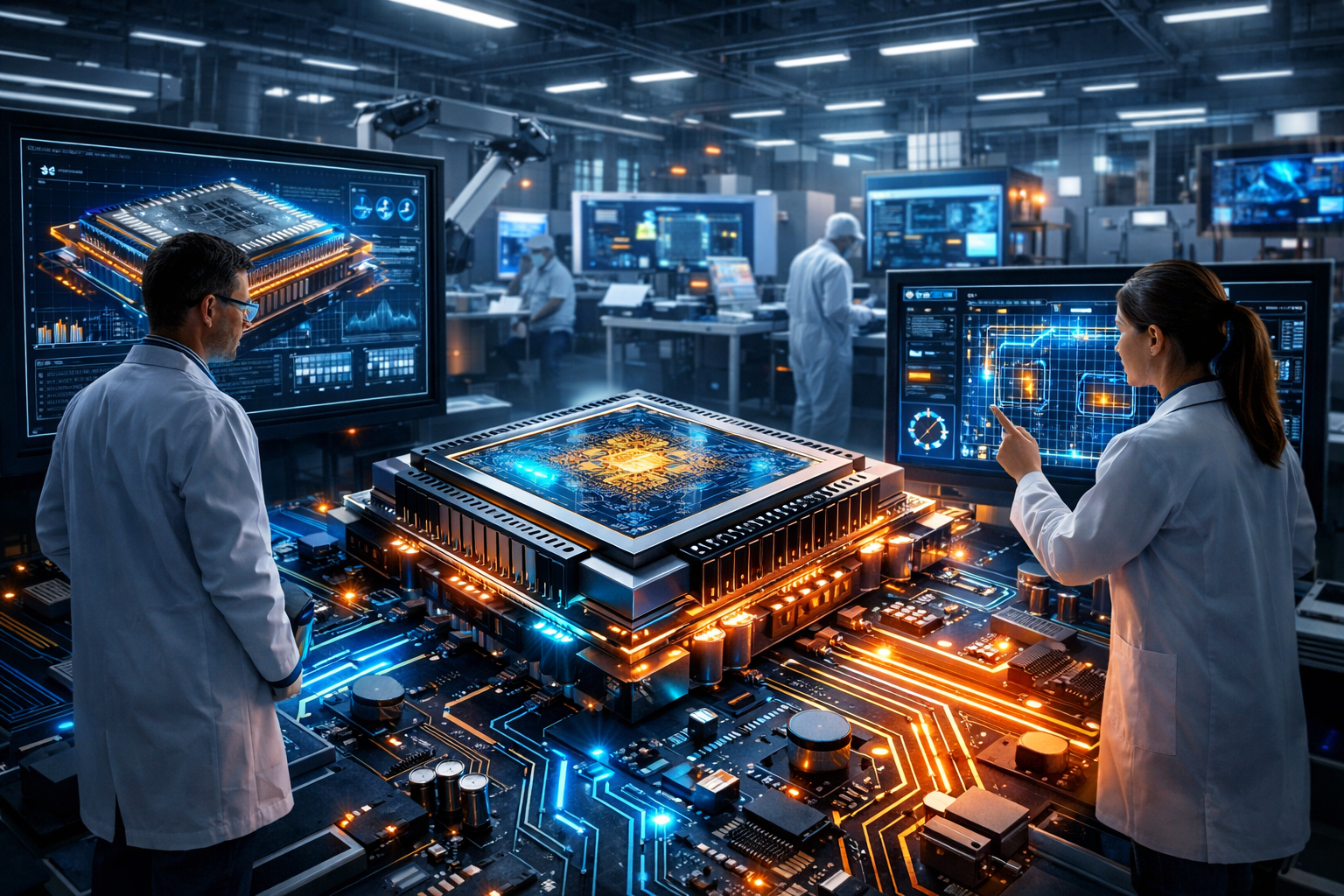
Robotic systems are also being used in manufacturing to perform repetitive tasks such as assembling components, tightening bolts, and inspecting parts for defects. These systems are fast, precise, and do not require breaks.
However, despite these advancements, AI still has limitations when it comes to real-world mechanical work.
Why Mechanics Are Still Essential
Mechanical work is not always predictable. Machines do not fail in the same way every time, and many issues require hands-on inspection and practical experience. This is where human mechanics continue to play a crucial role.
A skilled mechanic can listen to unusual sounds, feel vibrations, and quickly identify issues that may not be visible in data. They can adapt to unexpected situations, use creative problem-solving, and make decisions based on experience rather than algorithms.
Another important factor is physical interaction. Repairing engines, gearboxes, and heavy machinery requires manual effort, tools, and precision. While robots can assist in controlled environments, they are not yet capable of handling the wide variety of real-world repair scenarios that mechanics face daily.
In addition, many small workshops and local garages do not have access to advanced AI systems due to cost and infrastructure limitations. This ensures that human mechanics will remain relevant, especially in developing markets.
How AI Will Transform the Role of Mechanics
Instead of replacing mechanics, AI is more likely to change how they work. The future mechanic will not only rely on traditional skills but also use digital tools to improve efficiency and accuracy.
AI-powered diagnostic tools will allow mechanics to identify problems faster and with greater precision. This reduces guesswork and saves time during repairs. As a result, mechanics can handle more jobs in less time, increasing their productivity and earnings.
Routine inspections and basic servicing tasks may become partially automated. However, complex repairs and critical decisions will still require human expertise.
The role of a mechanic is evolving into that of a “tech-mechanic” who understands both machinery and technology. Those who embrace this change will have a strong advantage in the job market.
Jobs That Are at Risk
While mechanics as a whole are not likely to be replaced, certain tasks within the profession are more vulnerable to automation.
Basic services such as oil changes, filter replacements, and standard diagnostics can be automated or assisted by AI systems. Assembly line jobs in factories, where tasks are repetitive and predictable, are also at high risk.
These roles require less decision-making and can be easily programmed into machines.
Jobs That Are Safer
On the other hand, roles that involve complex problem-solving, customization, and fieldwork are much safer from automation.
Advanced repair specialists, heavy machinery mechanics, and technicians working in unpredictable environments are less likely to be replaced. These jobs require adaptability, experience, and real-time decision-making, which AI cannot fully replicate.
Mechanics who specialize in high-end vehicles or industrial systems will continue to be in high demand.
The Impact of Electric Vehicles
One major factor that will shape the future of mechanics is the rise of electric vehicles. Electric vehicles have fewer moving parts compared to traditional internal combustion engines, which means less mechanical wear and fewer breakdowns.
This could reduce the demand for certain types of mechanical repairs. However, it also creates new opportunities in areas such as battery maintenance, electrical systems, and software diagnostics.
Mechanics who learn about electric vehicle technology will be better positioned for future growth.
Can AI Completely Replace Mechanics
The idea of AI completely replacing mechanics within the next decade is unlikely. Mechanical work involves a combination of physical skill, experience, and judgment that AI cannot fully replicate.
AI can assist, guide, and improve efficiency, but it still relies on human intervention for execution and decision-making. The most realistic future is one where AI and mechanics work together.
This collaboration will lead to faster repairs, better accuracy, and improved customer satisfaction.
Opportunities in the AI Era
For mechanics willing to adapt, the future offers significant opportunities. AI tools can help them provide better services, reduce errors, and increase income.
Workshops that use advanced diagnostic systems can attract more customers and charge higher fees. Mechanics can also specialize in modern technologies such as electric vehicles and smart systems.
There is also potential in starting businesses that combine traditional repair services with modern technology. This includes advanced service centers, mobile repair units, and industrial maintenance services.
Skills Mechanics Should Develop
To stay competitive, mechanics need to upgrade their skills. Learning how to use diagnostic software, understanding electronic systems, and gaining knowledge of new technologies are essential.
Problem-solving ability, communication skills, and customer handling are equally important. Mechanics who combine technical expertise with modern tools will stand out in the industry.
Final Thoughts
AI is not a threat to mechanics but a tool that will reshape the profession. The next 10 years will bring significant changes, but they will not eliminate the need for skilled human workers.
The future belongs to those who are willing to learn and adapt. Mechanics who embrace technology will not only survive but thrive in the evolving landscape.
The real question is not whether AI will replace mechanics, but whether mechanics are ready to evolve with AI.