

Technology is evolving at an unprecedented pace in 2026. Artificial intelligence, advanced computing, global tech investments, and next-generation digital infrastructure are transforming industries and reshaping the global economy. Businesses, governments, and startups are investing billions of dollars into cutting-edge technologies that promise to redefine how people work, communicate, and innovate.
From the rapid growth of artificial intelligence systems to major investments in computing infrastructure, the technology industry is entering a new era of digital transformation. This article explores the latest technology developments, emerging trends, and innovations shaping the global tech ecosystem in 2026.
Artificial Intelligence Leading the Tech Revolution
Artificial intelligence has become one of the most powerful driving forces in modern technology. AI systems are now being used across industries including healthcare, finance, cybersecurity, education, and manufacturing.
In recent years, AI has moved beyond research experiments and is now widely deployed in real-world applications. Experts say 2026 marks the beginning of a new phase where AI technologies transition from experimental tools to large-scale business solutions used by millions of people globally.
Companies are integrating AI into customer service systems, data analytics platforms, and automated decision-making tools. These systems help organizations process large volumes of information quickly, improve productivity, and deliver personalized services to users.
As AI models continue to become more powerful and efficient, they are expected to transform how businesses operate and how individuals interact with digital technology.
Massive Investments Driving AI Innovation
One of the most significant developments in the technology sector is the massive investment flowing into AI infrastructure and research. Technology companies and venture capital firms are investing billions of dollars into AI startups, computing hardware, and cloud infrastructure.
In early 2026, a major funding round valued AI company OpenAI at approximately $840 billion, making it one of the largest technology investments in history. The investment will support expansion of AI infrastructure and development of next-generation artificial intelligence systems.
These large investments demonstrate how critical artificial intelligence has become for the global economy. Companies are racing to develop more powerful AI models, faster computing hardware, and scalable cloud platforms capable of supporting the growing demand for intelligent applications.
As a result, the AI sector is expected to remain one of the fastest-growing segments of the technology industry in the coming decade.
AI Chips and Hardware Powering the Digital Economy
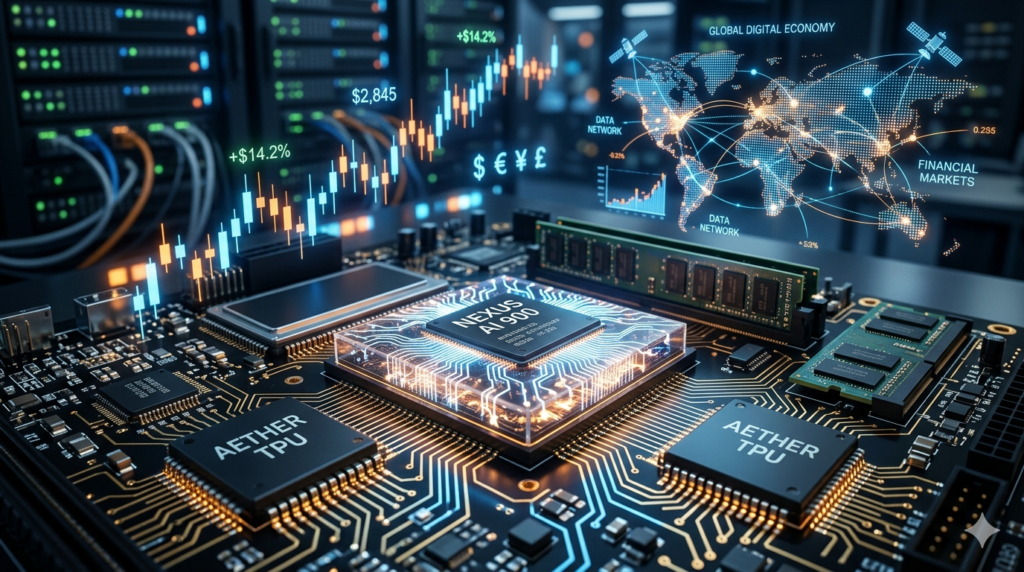
Behind every advanced AI system lies powerful hardware capable of processing massive datasets and complex algorithms. Semiconductor companies are now competing to develop specialized AI chips that can deliver faster performance and lower energy consumption.
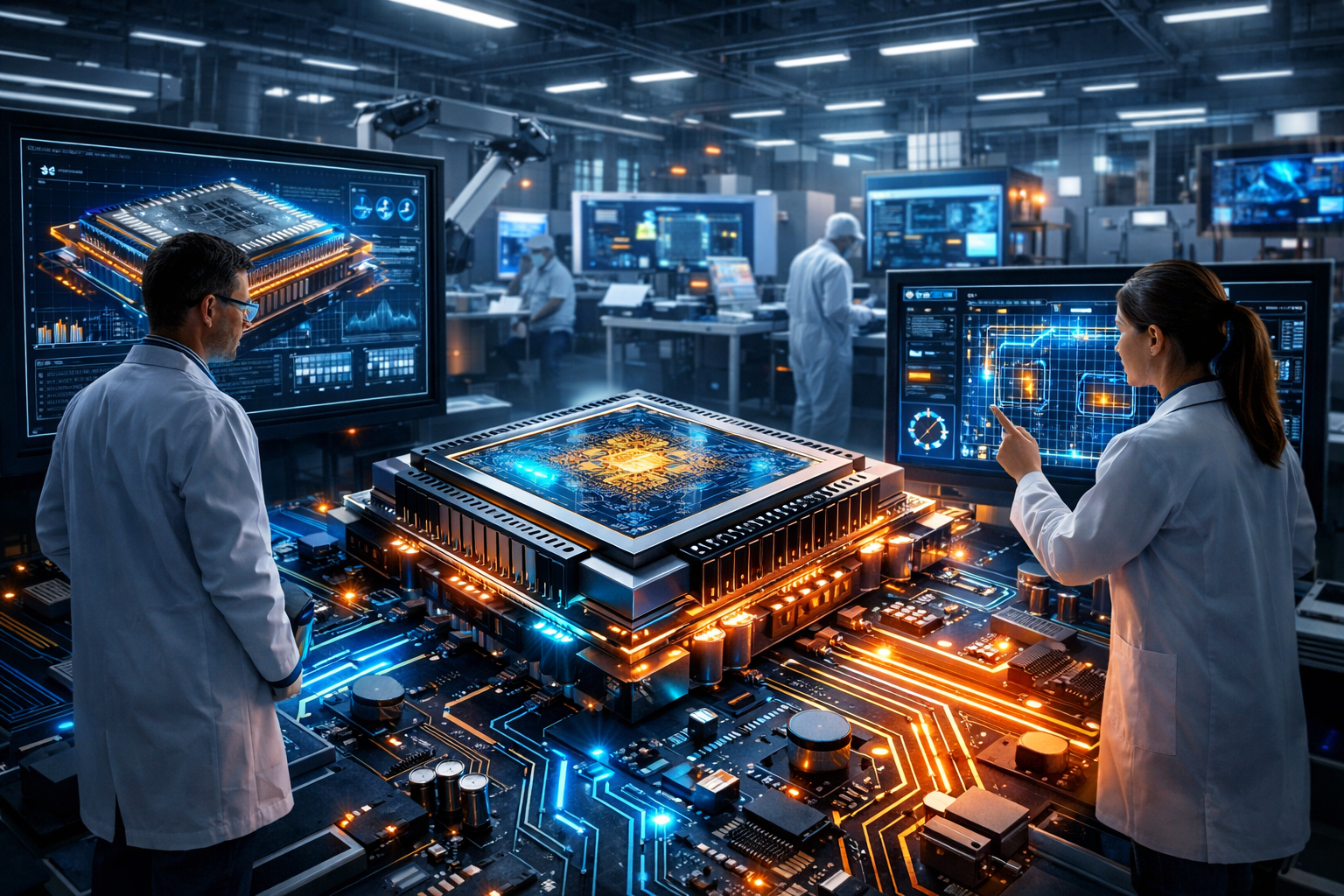
High-performance processors designed for machine learning and neural networks are becoming essential for modern computing infrastructure. These chips allow AI systems to perform tasks such as natural language processing, image recognition, and predictive analytics at incredible speeds.
The growing demand for AI hardware has also led to the emergence of new technology startups focused on building advanced computing platforms and specialized processors. Some AI infrastructure companies have already achieved multibillion-dollar valuations as investors anticipate strong growth in the sector.
The race to build faster and more efficient AI chips is expected to continue as the global demand for intelligent applications grows.
AI’s Impact on Jobs and the Workforce
While artificial intelligence offers tremendous opportunities, it also raises important questions about the future of work. Automation technologies are gradually transforming many industries by replacing repetitive tasks with intelligent software systems.
Recent reports suggest that several technology companies are restructuring their workforce as they invest more heavily in AI automation tools. Some organizations are reducing traditional roles while creating new positions focused on AI development, data science, and advanced software engineering.
However, experts emphasize that AI is more likely to transform jobs rather than eliminate them entirely. Many roles will evolve as workers collaborate with AI tools to improve productivity and efficiency.
In the future, professionals with skills in artificial intelligence, machine learning, and data analytics will be among the most in-demand workers in the global job market.
Global Collaboration in Artificial Intelligence Development
Technology development is increasingly becoming a global effort. Governments, research institutions, and private companies are collaborating to develop responsible and ethical AI technologies.
One example of international collaboration is the India AI Impact Summit, where global technology leaders, researchers, and policymakers gathered to discuss AI innovation and governance.
During the summit, several new AI models and products were unveiled, including advanced language models capable of supporting multiple languages and multimodal AI systems that can process text, images, and audio simultaneously.
Such global initiatives highlight the importance of cooperation in developing AI technologies that benefit society while addressing challenges such as privacy, security, and ethical use.
AI Expanding Into New Industries
Artificial intelligence is no longer limited to traditional software applications. Today, AI is being integrated into a wide range of industries including transportation, biotechnology, and manufacturing.
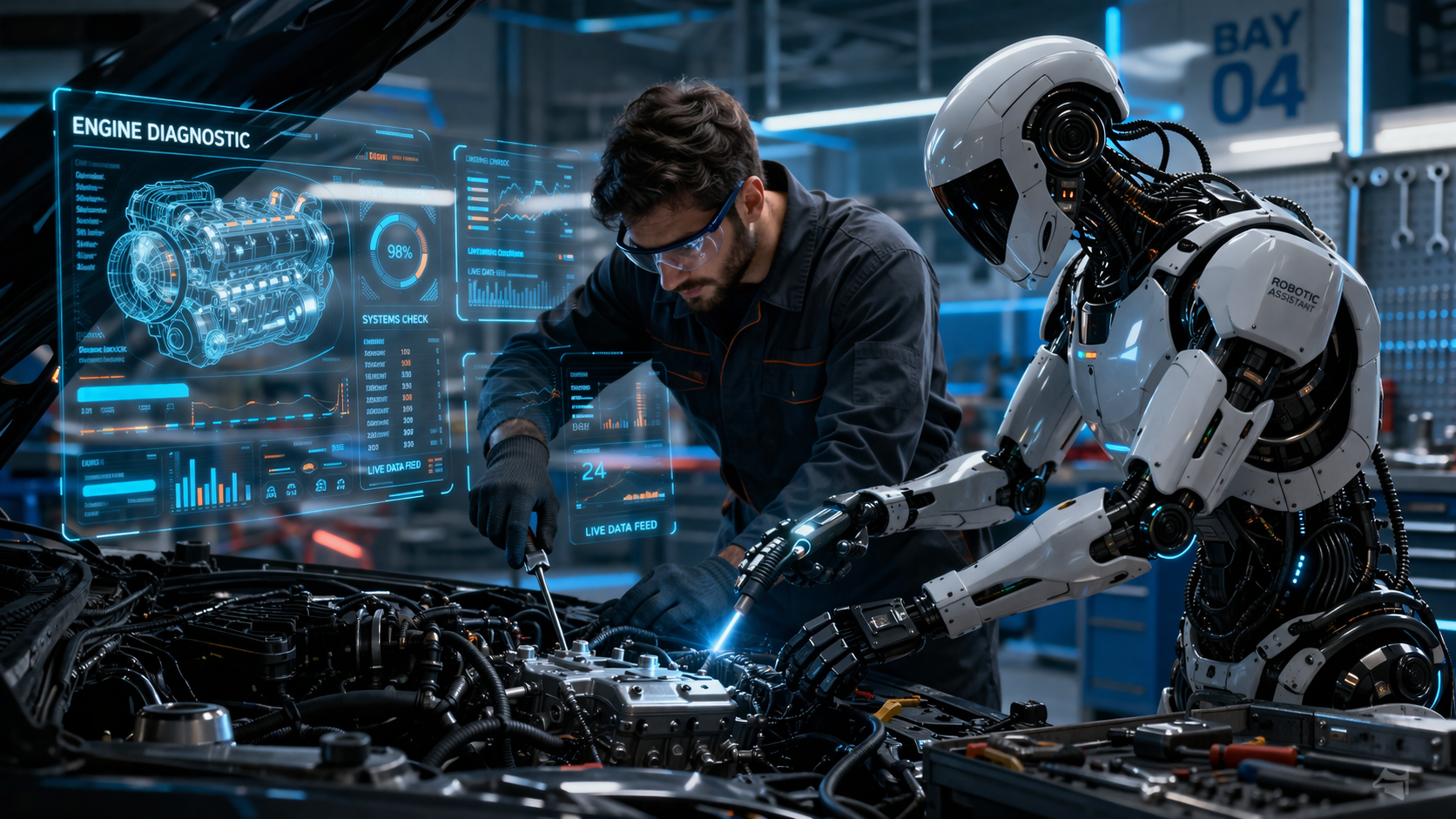
In the automotive sector, AI-powered software platforms are enabling vehicles to analyze data in real time, detect mechanical issues, and improve driving performance. Advanced AI systems can also accelerate product development by automating testing and engineering workflows.
In biotechnology, researchers are using AI models to analyze genetic data and design new biological structures, opening new possibilities for drug discovery and medical research.
These innovations demonstrate how AI is becoming a foundational technology that influences multiple scientific and industrial fields.
Quantum Computing and the Next Computing Breakthrough
Beyond artificial intelligence, another technology attracting global attention is quantum computing. Unlike traditional computers that process data using binary bits, quantum computers use quantum bits (qubits) that can represent multiple states simultaneously.
This unique capability allows quantum computers to solve certain complex problems far faster than conventional machines.
Several countries and research organizations are investing heavily in quantum computing research. In India, scientists have already developed early quantum systems and are working toward more advanced machines as part of the National Quantum Mission.
Although practical quantum computers are still under development, they have the potential to revolutionize fields such as cryptography, materials science, and climate modeling.
The Rise of Intelligent Software and Autonomous Systems
Another major trend in 2026 is the emergence of autonomous software systems capable of performing complex tasks independently.
These systems combine artificial intelligence, automation tools, and cloud computing to perform tasks such as software development, data analysis, and business operations with minimal human supervision.
Industry experts refer to this shift as the move toward “agent-based AI”, where intelligent systems can plan tasks, analyze information, and execute workflows automatically.
As these technologies mature, businesses may increasingly rely on autonomous systems to manage digital operations and optimize performance.
Challenges Facing the Technology Industry
Despite rapid innovation, the technology industry faces several challenges that must be addressed in the coming years.
Some of the most significant challenges include:
- Ensuring ethical and responsible use of AI technologies
- Protecting user privacy and data security
- Reducing energy consumption of large computing systems
- Addressing workforce transitions caused by automation
- Managing global competition in technology development
Governments and technology companies are working together to create policies and frameworks that ensure technology development benefits society while minimizing potential risks.
The Future of Technology Beyond 2026
Looking ahead, several technology trends are expected to shape the next decade:
- Widespread adoption of artificial intelligence in everyday applications
- Expansion of cloud computing and AI infrastructure
- Development of quantum computing systems
- Growth of smart cities and connected devices
- Increased investment in digital security and data protection
These innovations will not only transform industries but also influence how people interact with technology in their daily lives.
Conclusion
The technology industry in 2026 is experiencing one of the most exciting periods of innovation in history. Artificial intelligence, advanced computing systems, and global tech investments are driving rapid change across industries.
As companies continue to push the boundaries of innovation, technology will play an increasingly important role in solving global challenges and creating new economic opportunities.
For businesses, developers, and entrepreneurs, staying informed about these trends will be essential for navigating the future of the digital economy.
The coming years promise even more breakthroughs as technology continues to reshape the world.