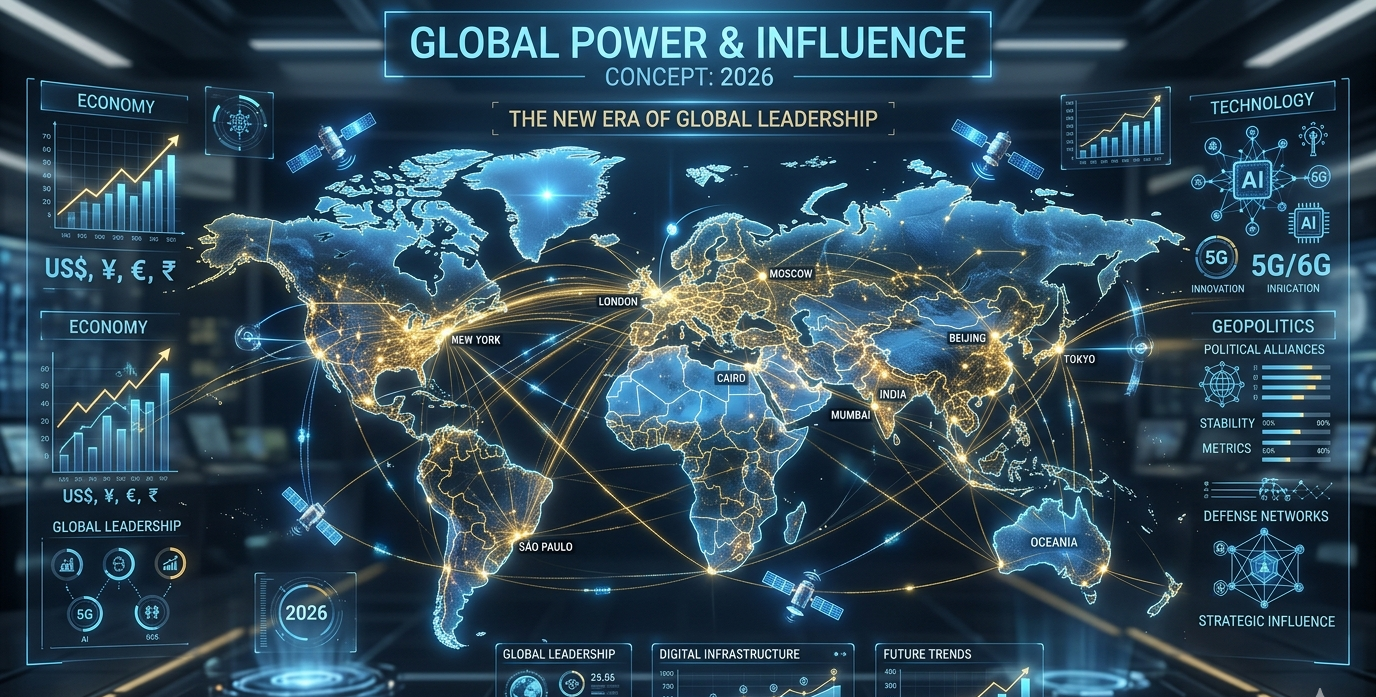


The global business landscape in 2026 is undergoing rapid transformation as companies adapt to new technologies, economic challenges, and changing consumer behavior. From startup funding rounds and artificial intelligence adoption to infrastructure investments and global energy fluctuations, businesses across industries are redefining their strategies to stay competitive.
India, in particular, continues to emerge as one of the fastest-growing business ecosystems in the world. Startups, fintech firms, and large corporations are investing heavily in technology, digital transformation, and sustainable growth initiatives.
Recent business developments highlight how innovation, strategic partnerships, and government policy are shaping the next phase of global economic expansion. This article explores the latest business news, emerging startup trends, and economic developments that are influencing markets in 2026.
India’s Startup Ecosystem Continues to Expand
India’s startup ecosystem has seen remarkable growth over the last few years, and 2026 is proving to be another milestone year. Multiple startups across sectors such as health technology, food services, artificial intelligence, and fintech have recently secured funding to scale their operations.
For example, health startup Basil Health recently raised $1.5 million in funding from investors including Whiteboard Capital and Brigade REAP. The company plans to use the investment to expand into new cities, improve supply chain operations, and strengthen its brand presence.
Similarly, retail technology startup Confluxe launched its operations after securing $1.6 million in pre-seed funding. The platform aims to help international fashion and lifestyle brands enter the Indian market by providing services such as digital commerce strategy and supply chain management.
These funding rounds demonstrate investor confidence in India’s growing digital economy and highlight the increasing role of innovation in driving business growth.
Technology and Artificial Intelligence Reshaping Businesses
Artificial intelligence (AI) is becoming one of the most influential forces in modern business. Companies are using AI to improve productivity, automate tasks, and enhance customer experiences.
The global artificial intelligence market is currently valued at nearly $400 billion and continues to expand rapidly as businesses adopt data-driven technologies across industries.
Large technology companies and consulting firms are investing heavily in AI infrastructure and enterprise solutions. Strategic partnerships between tech companies are helping organizations move AI projects from experimentation to large-scale implementation.
One such example is the collaboration between technology companies to build advanced AI systems that combine computing infrastructure with enterprise data platforms. These initiatives allow organizations to develop automated workflows, advanced analytics tools, and intelligent decision-making systems.
As AI continues to evolve, businesses that successfully integrate intelligent technologies into their operations will likely gain a competitive advantage.
Government Policies Driving Infrastructure Growth
Government policies and national budgets also play a crucial role in shaping business activity. In India, the government has continued to emphasize infrastructure development and capital investment as a major driver of economic growth.
The Union Budget 2026 proposed a significant increase in capital expenditure to around ₹12.2 lakh crore, compared with ₹11.2 lakh crore in the previous fiscal year.
This increase in infrastructure spending is expected to benefit sectors such as construction, manufacturing, renewable energy, and transportation. Infrastructure investments typically stimulate economic activity by creating jobs, increasing demand for materials, and improving logistics networks.
Financial analysts believe that infrastructure-focused policies will also create new opportunities for companies operating in engineering, energy, and urban development.
Digital Transformation of Small Businesses
Another major trend in the business world is the digital transformation of traditional industries. In India, millions of small neighborhood stores, commonly known as kirana shops, are gradually adopting technology to improve their operations.
Technology companies are developing platforms that help small retailers access digital supply chains, inventory management tools, and financial services. These innovations allow small businesses to compete with large e-commerce platforms while improving efficiency and customer service.
For example, a recent partnership between a technology firm and a retail platform aims to digitize millions of kirana stores by integrating artificial intelligence tools and modern retail management systems.
Digital transformation initiatives like these are expected to strengthen India’s retail ecosystem while improving market access for small businesses.
Corporate Leadership Changes and Market Developments
Corporate leadership decisions and stock market movements also influence the business environment. Several major companies have recently announced new leadership appointments and strategic initiatives.
For instance, financial institutions and large corporations are restructuring leadership teams to focus on innovation, technology, and global expansion. These changes often signal new business strategies and future growth plans.
Additionally, multiple companies across sectors have announced new projects, partnerships, and investment plans. Real estate developers are launching new projects with significant revenue potential, while banks and financial firms continue to strengthen their management structures.
These developments highlight the importance of strategic leadership and long-term planning in a rapidly evolving business landscape.
Renewable Energy and Sustainability Initiatives
Sustainability has become a central focus for businesses worldwide. Governments, investors, and consumers are increasingly prioritizing environmentally responsible business practices.
In India, major corporations are investing heavily in renewable energy projects. One large renewable energy initiative aims to develop one of the world’s largest renewable energy parks with a planned capacity of 30 gigawatts by 2029.
Such projects not only support global climate goals but also create new opportunities in the clean energy sector. Renewable energy investments are expected to generate jobs, reduce carbon emissions, and strengthen energy security.
As sustainability becomes a key factor in business decision-making, companies that adopt environmentally responsible strategies may gain long-term advantages in the global market.
Global Economic Challenges and Opportunities
While many industries are experiencing growth, the global economy still faces several challenges. Rising energy prices, geopolitical tensions, and economic uncertainties can impact business activity and investment decisions.
Recently, global oil prices surged above $100 per barrel, raising concerns about inflation and increased production costs for businesses worldwide.
Higher energy prices can affect industries such as transportation, manufacturing, and logistics, potentially increasing costs for companies and consumers.
However, economic challenges also create opportunities for innovation. Businesses often respond to market pressures by developing new technologies, improving efficiency, and exploring alternative energy sources.
The Rise of Data-Driven Decision Making
Another key business trend in 2026 is the growing importance of data analytics. Companies are increasingly relying on data insights to guide strategic decisions.
Advanced analytics tools allow businesses to analyze consumer behavior, predict market trends, and optimize operational efficiency. Digital platforms now provide real-time insights that help organizations respond quickly to changing market conditions.
This shift toward data-driven decision making is transforming industries such as marketing, finance, healthcare, and retail.
Businesses that effectively utilize data and analytics are more likely to identify growth opportunities and improve customer experiences.
Future Outlook for Businesses in 2026
Looking ahead, several trends are expected to shape the business world in the coming years:
- Continued growth of artificial intelligence and automation
- Expansion of digital commerce and online services
- Increased focus on sustainability and renewable energy
- Rising importance of data analytics and cloud computing
- Growth of startup ecosystems and venture capital investment
These trends suggest that the business environment will become increasingly technology-driven and globally interconnected.
Companies that embrace innovation, adapt to market changes, and invest in long-term strategies will be better positioned to succeed in the evolving economic landscape.
Conclusion
The global business environment in 2026 is characterized by innovation, digital transformation, and strategic investments across multiple industries. From startup funding and artificial intelligence adoption to infrastructure development and renewable energy initiatives, businesses are continuously adapting to new opportunities and challenges.
India’s rapidly growing startup ecosystem, combined with strong government support for infrastructure and technology, positions the country as a major player in the global economy.
As companies continue to innovate and expand, the coming years are likely to bring even more breakthroughs in technology, sustainability, and global commerce.
For entrepreneurs, investors, and business leaders, staying informed about these trends will be essential for navigating the future of business.