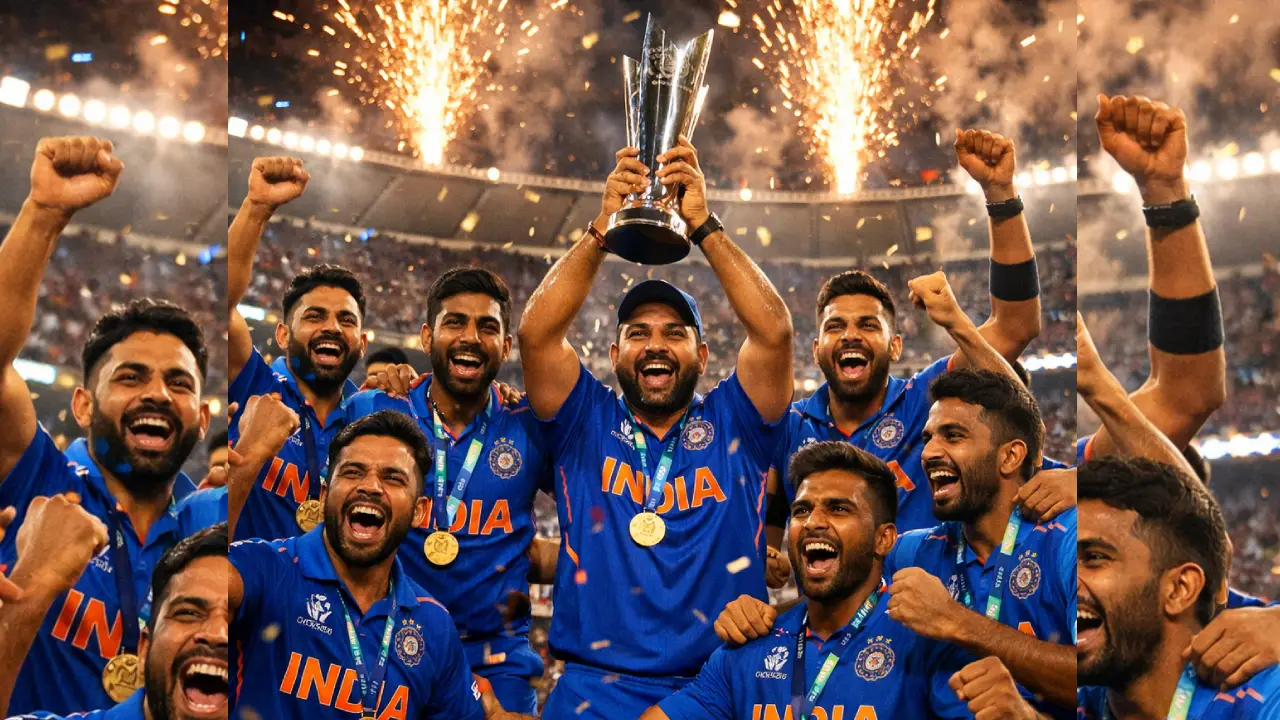


Elite athletes are admired around the world for their exceptional performance, discipline, and ability to perform under intense pressure. Whether it is on the football field, basketball court, Olympic track, or cricket ground, champions consistently deliver extraordinary results. Behind every winning performance lies a combination of rigorous training, strategic preparation, mental resilience, and a carefully structured lifestyle.
Preparing for high-level competition is far more complex than simply practicing a sport. Elite athletes follow detailed training programs designed by professional coaches, sports scientists, and fitness experts. These programs focus not only on improving physical strength and endurance but also on enhancing mental focus, nutrition, recovery, and tactical understanding.
For sports enthusiasts and aspiring athletes worldwide, understanding how champions prepare for competition can provide valuable insights into achieving peak performance. The training methods used by elite athletes reveal the dedication, planning, and science that go into building a successful sporting career.
The Importance of Structured Training Programs
One of the biggest differences between amateur athletes and elite champions is the structure of their training routines. Professional athletes do not rely on random practice sessions. Instead, they follow carefully planned programs designed to maximize performance while reducing the risk of injury.
A structured training program typically includes multiple components such as strength training, endurance exercises, sport-specific drills, and recovery sessions. Each component serves a specific purpose in developing the athlete’s overall performance.
For example, endurance training helps athletes maintain high energy levels throughout a competition, while strength training improves power and speed. Sport-specific drills allow athletes to refine their techniques and improve coordination. By combining these elements, elite athletes build a balanced and effective training routine.
Consistency is also crucial. Champions train regularly and maintain strict discipline in following their routines, which allows them to improve gradually and achieve long-term success.
Strength and Conditioning: Building a Powerful Body
Strength and conditioning are essential components of every elite athlete’s preparation. Regardless of the sport, athletes must develop strong muscles, improved stamina, and high levels of physical resilience.
Strength training typically includes exercises such as weightlifting, resistance training, and bodyweight workouts. These exercises help athletes build muscle strength, improve stability, and increase explosive power.
Conditioning exercises focus on cardiovascular fitness and endurance. Activities such as running, cycling, swimming, and high-intensity interval training help athletes improve their stamina and maintain peak performance during long competitions.
Professional athletes often work with specialized strength and conditioning coaches who design personalized training plans based on the athlete’s sport, position, and physical requirements.
The Role of Mental Preparation
Physical training alone is not enough to create a champion. Mental strength plays a critical role in determining how athletes perform during high-pressure situations.
Elite athletes train their minds just as much as their bodies. Mental preparation techniques include visualization, meditation, goal setting, and psychological coaching. These practices help athletes stay focused, confident, and calm during competitions.
Visualization is particularly powerful. Many champions imagine themselves successfully executing techniques or winning competitions before the event takes place. This mental rehearsal improves confidence and prepares the brain for real performance.
Sports psychologists also help athletes manage stress, overcome setbacks, and maintain motivation. A strong mindset often separates good athletes from great champions.
Nutrition: Fueling Peak Performance
Nutrition is another critical factor in an athlete’s training routine. Elite athletes carefully plan their diets to ensure their bodies receive the nutrients required for performance, recovery, and muscle growth.
A balanced athletic diet typically includes carbohydrates for energy, protein for muscle repair, healthy fats for long-term energy, and vitamins and minerals for overall health.
Hydration is equally important. Even slight dehydration can negatively impact athletic performance. Therefore, athletes maintain strict hydration routines before, during, and after training sessions.
Many professional athletes work with sports nutritionists who design customized meal plans based on training schedules, body composition goals, and competition requirements.
Proper nutrition allows athletes to train harder, recover faster, and perform at their best when it matters most.
Recovery and Rest: The Hidden Key to Success
One of the most overlooked aspects of elite athletic performance is recovery. Training places significant stress on the body, and proper recovery is essential for preventing injuries and maintaining peak performance.
Recovery techniques include stretching, massage therapy, ice baths, physiotherapy, and adequate sleep. Sleep is particularly important because it allows the body to repair damaged tissues, restore energy levels, and strengthen the immune system.
Many athletes also use modern recovery technologies such as compression therapy, cryotherapy, and advanced physiotherapy treatments. These techniques help reduce muscle soreness and speed up recovery after intense workouts.
By prioritizing recovery, elite athletes ensure that their bodies remain strong and ready for the next training session or competition.
Tactical Training and Skill Development
In addition to physical conditioning, elite athletes spend a significant amount of time developing technical skills and game strategies. Every sport requires specific techniques that must be practiced repeatedly to achieve mastery.
Athletes analyze their performance through video analysis, coaching feedback, and performance metrics. This allows them to identify weaknesses and make improvements.
Tactical training also involves studying opponents and understanding different game situations. By analyzing strategies and adjusting their approach, athletes can gain a competitive advantage.
For example, football players practice passing patterns and defensive strategies, while tennis players focus on shot placement and match tactics.
Continuous skill development ensures that athletes remain competitive at the highest level.
The Role of Technology in Modern Athletic Training
Technology is transforming the way elite athletes train and prepare for competition. Advanced tools and data analytics allow coaches and athletes to track performance, monitor health, and optimize training programs.
Wearable fitness devices measure heart rate, movement patterns, sleep quality, and energy expenditure. These insights help athletes understand their physical condition and adjust training intensity accordingly.
Video analysis software allows coaches to study athlete movements in detail and identify areas for improvement. Performance tracking systems also help teams analyze statistics and make strategic decisions.
By integrating technology into training programs, athletes gain deeper insights into their performance and continuously improve their abilities.
The Lifestyle Discipline of Champions
Becoming an elite athlete requires more than just talent and training—it requires discipline in every aspect of life. Champions follow strict daily routines that include training sessions, balanced nutrition, recovery periods, and mental preparation.
They also avoid unhealthy habits that could negatively impact performance, such as poor diet, lack of sleep, or inconsistent training schedules.
Time management plays a significant role as well. Athletes must balance training, competitions, travel, and personal life while maintaining peak physical and mental condition.
This level of dedication and commitment is what ultimately separates champions from average competitors.
Conclusion
Elite athletes achieve extraordinary success through a combination of rigorous training, strategic preparation, and unwavering discipline. Their routines include structured training programs, strength and conditioning exercises, mental preparation techniques, proper nutrition, and effective recovery methods.
In addition to physical preparation, champions focus on skill development, tactical strategies, and the use of modern technology to enhance their performance. Every aspect of their lifestyle is carefully designed to help them reach peak condition before major competitions.
For aspiring athletes and sports enthusiasts around the world, the training secrets of elite champions provide valuable lessons about dedication, persistence, and the importance of continuous improvement. By adopting similar principles of discipline, preparation, and focus, anyone can take meaningful steps toward achieving their personal goals in sports and beyond.