

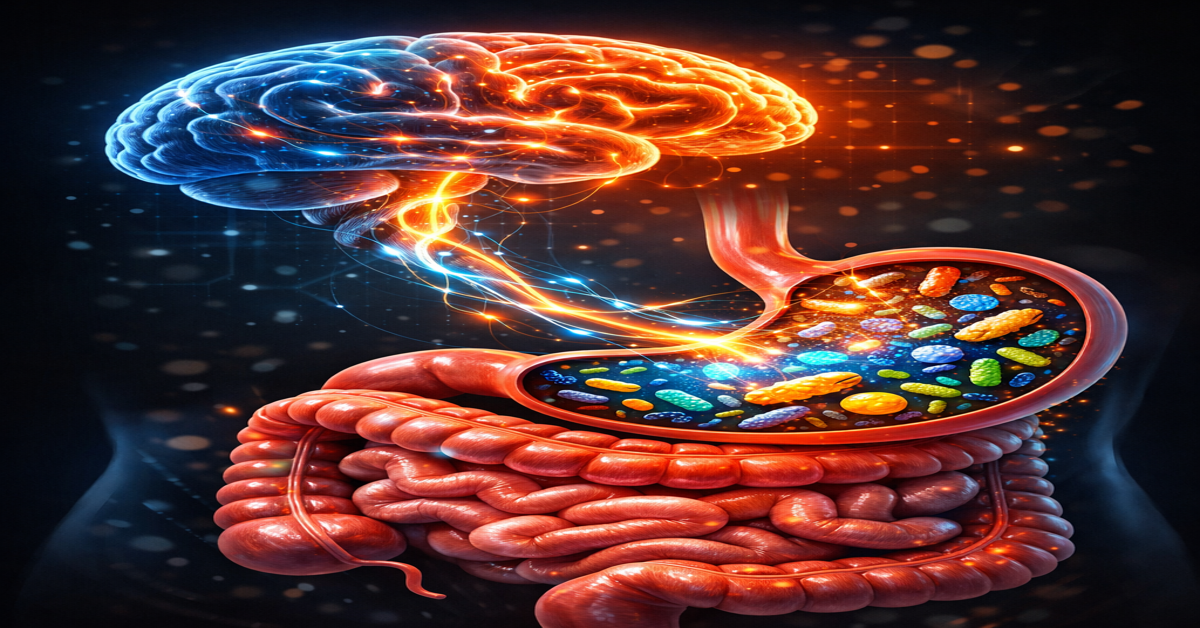
In recent years, science has uncovered a fascinating truth that is changing how we understand overall well-being: your gut health directly impacts your mental health. What was once considered just a digestive system is now being recognized as a powerful “second brain” that influences mood, emotions, and even decision-making.
This connection, known as the Gut-Brain Axis, reveals that your stomach and brain are in constant communication. If your gut is unhealthy, your mind may suffer—and vice versa.
In this article, we’ll explore how your gut affects your mental health, the science behind it, common signs of poor gut health, and practical steps you can take to improve both your digestion and your mood.
What is the Gut-Brain Connection?
Your gut and brain are connected through a complex network of nerves, hormones, and biochemical signals. The vagus nerve acts as a communication highway, sending messages back and forth between your digestive system and your brain.
Surprisingly, about 90% of serotonin—the “feel-good” hormone—is produced in your gut, not your brain. This means that your digestive health plays a crucial role in regulating your emotions, sleep, and overall mental state.
When your gut is balanced and healthy, it supports stable mood and clear thinking. But when it’s inflamed or imbalanced, it can contribute to anxiety, depression, and brain fog.
The Role of Gut Microbiome
Your gut is home to trillions of bacteria, collectively known as the gut microbiome. These microorganisms are not harmful—in fact, many of them are essential for your health.
A healthy microbiome helps in:
- Digesting food efficiently
- Producing essential vitamins
- Supporting immune function
- Regulating mood and stress levels
However, when harmful bacteria outnumber beneficial ones, it can lead to a condition called dysbiosis. This imbalance is often linked to mental health issues like anxiety and depression.
How Poor Gut Health Affects Mental Health
An unhealthy gut doesn’t just cause digestive problems—it can also disrupt your mental well-being in several ways:
1. Increased Inflammation
Chronic gut inflammation can trigger inflammation in the brain, which is strongly associated with depression and anxiety.
2. Neurotransmitter Imbalance
Since your gut produces key neurotransmitters like serotonin and dopamine, poor gut health can lead to mood swings and emotional instability.
3. Stress Response Activation
An unhealthy gut can activate your body’s stress system, making you feel more anxious and overwhelmed even in normal situations.
4. Brain Fog and Fatigue
Many people with gut issues report difficulty concentrating, memory problems, and constant tiredness.
Signs Your Gut Health May Be Affecting Your Mind
You might not immediately connect your mental struggles with your gut, but here are some warning signs:
- Frequent bloating or digestive discomfort
- Chronic fatigue or low energy
- Mood swings or irritability
- Anxiety or depressive thoughts
- Poor sleep quality
- Sugar cravings
If you’re experiencing several of these symptoms, your gut health may need attention.
Common Causes of Poor Gut Health
Understanding the root causes can help you fix the problem more effectively. Some of the most common factors include:
1. Unhealthy Diet
Highly processed foods, excess sugar, and low fiber intake can harm beneficial gut bacteria.
2. Antibiotics Overuse
While antibiotics are necessary in some cases, overuse can kill both harmful and good bacteria in your gut.
3. Chronic Stress
Stress directly impacts gut function and can alter the balance of your microbiome.
4. Lack of Sleep
Poor sleep disrupts gut bacteria and affects hormone balance.
5. Sedentary Lifestyle
Physical inactivity slows digestion and negatively impacts gut diversity.
How to Improve Gut Health Naturally
The good news is that improving your gut health is possible with simple lifestyle changes. Here are some effective strategies:
1. Eat a Fiber-Rich Diet
Include foods like fruits, vegetables, whole grains, and legumes. Fiber acts as fuel for good bacteria and helps maintain balance.
2. Add Probiotic Foods
Foods like yogurt, kefir, kimchi, and fermented pickles introduce beneficial bacteria into your gut.
3. Stay Hydrated
Drinking enough water supports digestion and helps maintain the mucosal lining of the intestines.
4. Reduce Sugar and Processed Foods
Cutting down on junk food can significantly improve your gut environment.
5. Manage Stress
Practices like meditation, yoga, and deep breathing can positively impact both gut and mental health.
6. Get Enough Sleep
Aim for 7–8 hours of quality sleep to support both brain and gut function.
7. Exercise Regularly
Even moderate physical activity can increase beneficial gut bacteria and improve mood.
The Science Behind Food and Mood
What you eat doesn’t just affect your body—it shapes your brain. Diets rich in whole foods, healthy fats, and natural nutrients have been linked to lower rates of depression.
On the other hand, diets high in sugar and processed foods are associated with increased mental health issues.
For example:
- Omega-3 fatty acids (found in fish and nuts) support brain function
- Fermented foods improve gut bacteria diversity
- Leafy greens provide essential nutrients for neurotransmitter production
By choosing the right foods, you can literally “feed” your mental health.
Gut Health and Anxiety: What’s the Link?
Studies have shown that people with anxiety disorders often have altered gut microbiomes. This imbalance can send stress signals to the brain, creating a cycle where anxiety worsens gut health and poor gut health worsens anxiety.
Improving gut health has been shown to reduce symptoms of anxiety in many individuals, highlighting the importance of a holistic approach to mental well-being.
Can Fixing Your Gut Improve Depression?
Emerging research suggests that improving gut health may help reduce symptoms of depression. While it’s not a replacement for professional treatment, it can be a powerful supportive strategy.
Probiotics, dietary changes, and lifestyle improvements have all shown promising results in boosting mood and emotional stability.
Practical Daily Routine for Better Gut and Mental Health
Here’s a simple routine you can follow:
Morning: Start your day with warm water and a fiber-rich breakfast
Afternoon: Include vegetables and whole grains in your meals
Evening: Avoid heavy, processed foods
Night: Practice relaxation techniques and get quality sleep
Consistency is key. Small daily habits can create big long-term changes.
Final Thoughts
Your gut is far more powerful than you might think. It’s not just responsible for digestion—it plays a critical role in shaping your thoughts, emotions, and overall mental health.
By understanding the connection between your gut and brain, you can take control of your well-being in a more holistic way. Improving your gut health doesn’t just lead to better digestion—it can also bring clarity, happiness, and emotional balance into your life.
So the next time you think about mental health, remember: it might just start in your stomach.