
The global healthcare landscape is changing rapidly in 2026. New scientific breakthroughs, emerging diseases, lifestyle challenges, and technological innovations are reshaping how people understand health and wellness. Researchers, governments, and healthcare professionals around the world are focusing on preventive medicine, advanced treatments, and improved healthcare systems to tackle growing health challenges.
From revolutionary cancer treatments to the rising impact of lifestyle diseases, health experts believe the next decade could bring major improvements in disease prevention and medical care. At the same time, global health risks such as infectious diseases, obesity, and cardiovascular conditions continue to threaten millions of lives.
This article explores the most important global health developments, research breakthroughs, and challenges that are shaping the future of healthcare in 2026.
The Growing Burden of Lifestyle Diseases Worldwide
One of the biggest health challenges globally is the rapid rise of lifestyle-related diseases. These conditions, often referred to as non-communicable diseases (NCDs), include heart disease, diabetes, cancer, and chronic respiratory illnesses.
According to global health research, non-communicable diseases account for a majority of deaths worldwide, making them one of the most serious public health threats of the modern era. These diseases are strongly linked to risk factors such as unhealthy diets, lack of physical activity, smoking, alcohol consumption, and environmental pollution.
Heart disease remains the leading cause of death globally. Recent health statistics show that cardiovascular diseases and strokes continue to increase in many countries, highlighting the urgent need for preventive healthcare strategies and early diagnosis.
In many developing and developed nations alike, urban lifestyles have contributed to rising obesity rates, poor diet patterns, and mental stress. Experts warn that if preventive measures are not implemented quickly, the number of people affected by lifestyle diseases could rise dramatically over the next decade.
Major Breakthroughs in Cancer Research
Cancer research is experiencing remarkable progress in 2026. Scientists are exploring innovative treatment methods such as personalized medicine, immunotherapy, gene therapy, and AI-driven diagnostics.
Medical researchers are now focusing heavily on early detection technologies and precision medicine, which allows doctors to tailor treatments to the genetic makeup of individual patients. This personalized approach can significantly improve treatment success rates and reduce harmful side effects.
Another exciting development involves microscopic medical robots designed to deliver treatments directly to cancer cells. Researchers believe these tiny robots could revolutionize cancer therapy by targeting tumors with extreme precision while minimizing damage to healthy tissues.
Experts also emphasize that many cancer cases are preventable through lifestyle changes. Global studies suggest that nearly 40% of cancer cases could be prevented by addressing factors such as smoking, alcohol consumption, obesity, and environmental exposure.
These discoveries are bringing hope to millions of patients worldwide and may dramatically change how cancer is treated in the future.
Emerging Infectious Diseases and Global Health Risks
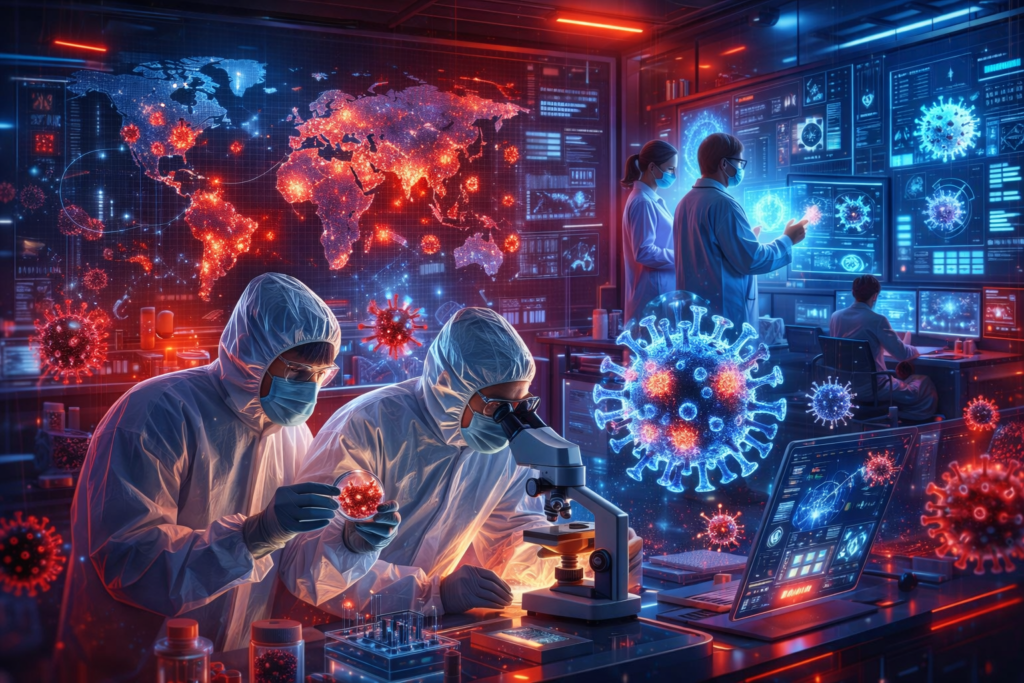
While modern medicine has made huge progress, infectious diseases still pose serious threats. Health experts remain concerned about outbreaks of viruses that can spread quickly across borders.
One example is the recent concern surrounding the Nipah virus, which has drawn international attention due to its potential to spread through human contact and contaminated food sources.
Global health authorities are strengthening surveillance systems and preparing rapid response strategies to contain outbreaks before they become pandemics. These efforts involve improved diagnostics, stronger healthcare infrastructure, and international cooperation between countries.
The COVID-19 pandemic taught the world the importance of preparedness, and governments are now investing more resources into early detection and vaccine development to prevent future global health crises.
Vaccine Innovations and the Future of Disease Prevention
Vaccines remain one of the most powerful tools in modern medicine. In 2026, scientists are exploring new vaccine technologies that could protect against some of the world’s most challenging diseases.
Recent advancements in mRNA vaccine technology, which gained global attention during the COVID-19 pandemic, are now being studied for use against diseases such as HIV, malaria, and certain types of cancer.
Researchers believe that future vaccines could be developed faster, be more effective, and provide protection against multiple diseases at once. These innovations may significantly reduce global disease burdens and improve life expectancy.
Preventive medicine is increasingly becoming the focus of global health strategies. Instead of treating diseases after they appear, healthcare systems are shifting toward preventing illnesses through vaccination, early screening, and healthier lifestyles.
The Role of Artificial Intelligence in Healthcare
Artificial intelligence (AI) is becoming an essential part of healthcare systems around the world. AI-powered tools are now being used for medical imaging, disease detection, drug discovery, and patient monitoring.
Advanced algorithms can analyze large amounts of medical data much faster than humans, helping doctors detect diseases earlier and recommend more effective treatments. Some hospitals are already using AI systems to assist with diagnosing conditions such as cancer, heart disease, and neurological disorders.
However, experts also warn that AI must be carefully regulated to avoid medical misinformation or inaccurate diagnoses. Research shows that AI systems may sometimes provide incorrect medical advice if the data sources are unreliable.
Despite these challenges, AI has enormous potential to transform healthcare by improving efficiency, reducing costs, and expanding access to medical services worldwide.
Nutrition, Diet, and the “Food as Medicine” Movement
Nutrition is increasingly being recognized as a powerful tool for preventing disease and improving overall health. Many researchers now support the concept of “food as medicine,” which emphasizes the role of diet in treating and preventing chronic illnesses.
Healthy eating patterns rich in fruits, vegetables, whole grains, and healthy fats can reduce the risk of cardiovascular diseases, diabetes, and certain cancers. Studies also show that balanced diets can improve mental health, energy levels, and immune function.
New nutrition models introduced in recent years focus on reducing highly processed foods and encouraging nutrient-dense ingredients. Health experts recommend minimizing refined sugars, excessive salt, and unhealthy fats while prioritizing fresh and natural foods.
Governments and health organizations are increasingly promoting public awareness campaigns to educate people about the long-term benefits of healthy diets.
Mental Health: A Growing Global Priority
Mental health has become one of the most important public health discussions worldwide. Stress, anxiety, depression, and burnout have increased significantly due to modern lifestyles, economic pressures, and digital overload.
Healthcare professionals are now emphasizing the importance of mental well-being alongside physical health. Many countries are expanding mental health services, including therapy programs, digital mental health platforms, and community support initiatives.
Experts recommend several strategies to improve mental well-being:
- Regular physical exercise
- Quality sleep
- Social connection and supportive relationships
- Mindfulness and stress-management practices
- Balanced nutrition
Addressing mental health challenges is essential for creating healthier societies and improving overall quality of life.
The Future of Global Healthcare
Healthcare systems worldwide are undergoing major transformation. Governments, technology companies, and medical institutions are collaborating to build more resilient and accessible healthcare systems.
Several trends are expected to shape the future of healthcare:
- Digital healthcare platforms for remote consultations and monitoring
- Personalized medicine based on genetic data
- AI-assisted diagnostics and treatment planning
- Preventive healthcare strategies focusing on lifestyle improvements
- Advanced biotechnology and gene therapy
These innovations have the potential to make healthcare more efficient, affordable, and accessible to billions of people.
However, experts stress that global collaboration will be necessary to address health inequalities and ensure that medical advancements benefit everyone, not just wealthy nations.
Conclusion
The year 2026 marks an important moment in global health. Rapid advancements in medical science, technology, and research are opening new possibilities for preventing and treating diseases. At the same time, lifestyle-related illnesses, infectious disease threats, and mental health challenges continue to affect millions of people worldwide.
The future of healthcare will likely focus on prevention, personalized medicine, and technological innovation. By combining scientific breakthroughs with healthier lifestyles and stronger healthcare systems, the world can move closer to a healthier and more sustainable future.
For individuals, the key message remains clear: maintaining healthy habits, staying informed about medical developments, and prioritizing both physical and mental well-being are essential steps toward long-term health.