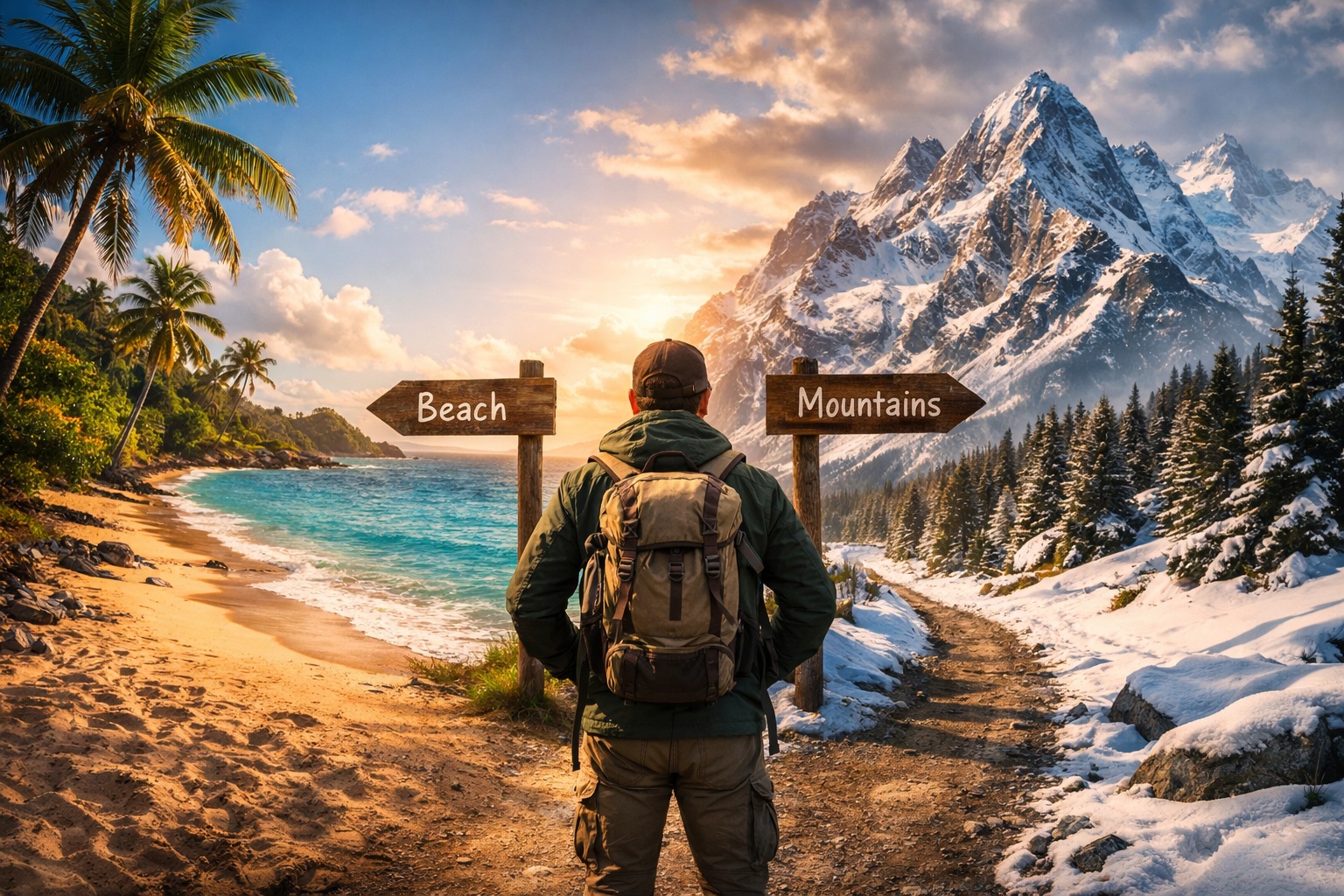

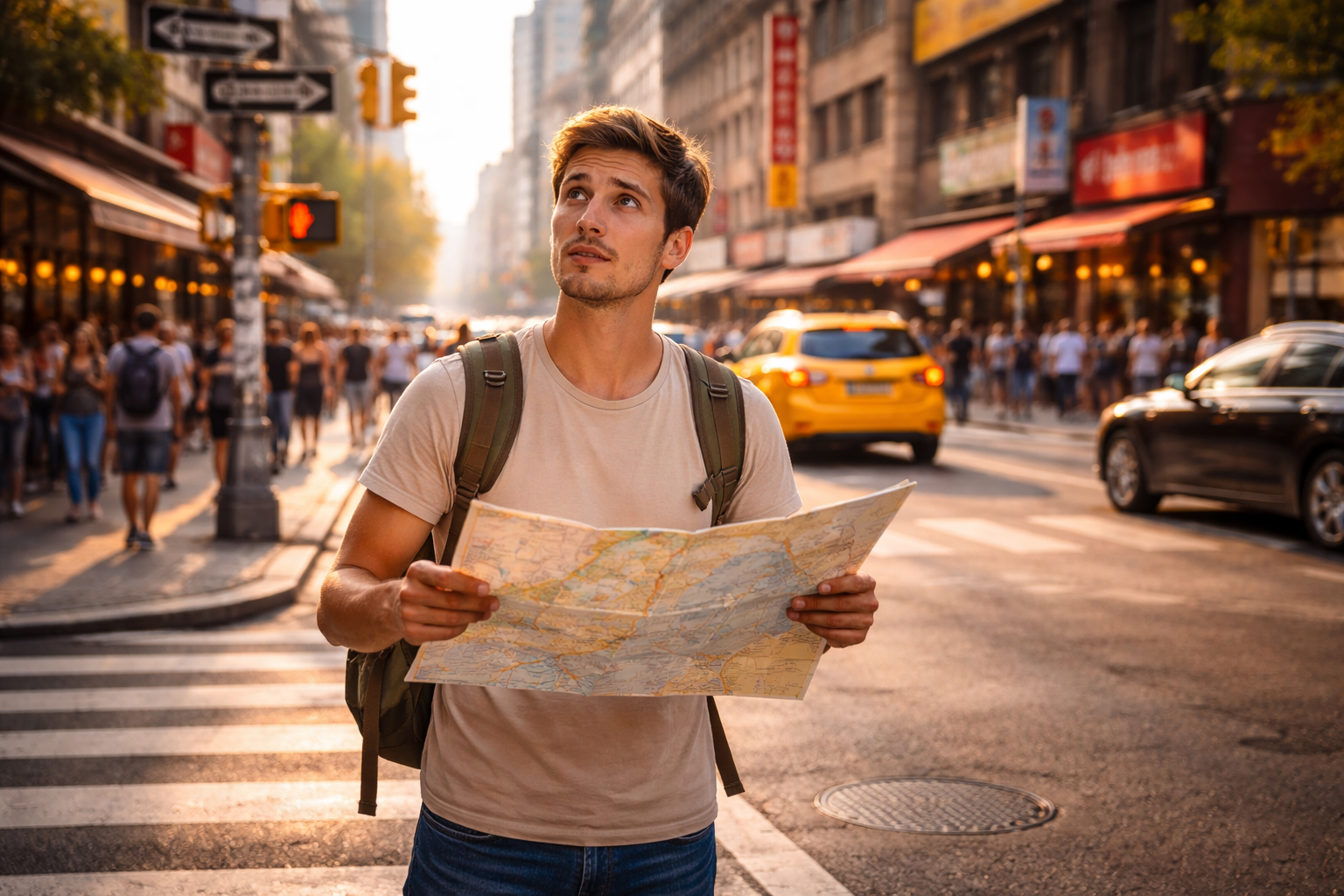
In an era where every turn, shortcut, and destination is just a tap away, the idea of navigating a new city without Google Maps feels almost unthinkable. For most travelers, digital navigation has become as essential as carrying a wallet or phone. But what happens when you strip away that convenience? What if, for just 24 hours, you explore a completely new city the old-fashioned way—using instinct, observation, and human connection?
This experiment is more than just a challenge. It’s a journey back in time, a test of awareness, and a surprisingly refreshing way to experience travel in its rawest form.
Why Travel Without Google Maps?
Travel today is efficient, fast, and optimized. While that sounds ideal, it often removes the element of discovery. You go from Point A to Point B without truly engaging with your surroundings. By removing Google Maps, you force yourself to slow down and become more present.
Traveling without digital navigation encourages:
- Stronger observation skills
- Meaningful interactions with locals
- A deeper sense of adventure
- Unexpected discoveries
It’s not about getting lost—it’s about finding something better than what you originally planned.
Preparing for the Challenge
Before you begin your 24-hour journey, a little preparation can go a long way. The goal isn’t to make things impossible, but to recreate how people traveled before smartphones.
Start by noting down your hotel’s address and a few key landmarks nearby. Carry a small notebook or take a screenshot of essential information before going offline. If available, pick up a physical map from a tourist center or hotel reception.
Most importantly, shift your mindset. Accept that you might take wrong turns, spend extra time figuring things out, or even feel temporarily lost. That’s all part of the experience.
Hour 1–4: The Initial Discomfort
The first few hours without Google Maps can feel uncomfortable. You’ll instinctively reach for your phone, only to realize it’s not an option. Even simple tasks like finding a café or locating a street can feel challenging.
This phase is where your senses start to awaken. You begin to notice street signs, shop names, and the direction of the sun. You start paying attention to people—where they’re going, how they move, and what paths seem busy.
Instead of searching “best coffee near me,” you might walk into a small café simply because it smells amazing or looks inviting. These spontaneous decisions often lead to the most memorable experiences.
Hour 5–10: Learning to Trust People
As the day progresses, you’ll likely need help—and that’s where human interaction comes in. Asking for directions becomes a key part of your journey.
You’ll quickly learn that most people are willing to help. Some might give precise directions, while others might guide you with gestures or even walk you part of the way. These interactions create a connection that no app can replicate.
You may also notice cultural differences in how directions are given. Some people use landmarks instead of street names. Others rely on distance or time rather than exact routes. This adds a unique layer to your travel experience.
The Beauty of Getting Lost
Getting lost is often seen as a problem, but in this challenge, it becomes an opportunity. When you’re not bound by a digital route, you’re free to explore.
You might stumble upon:
- Hidden markets not listed online
- Local eateries with no digital presence
- Quiet streets filled with character
- Cultural experiences you didn’t plan for
These moments are the essence of travel—the kind that can’t be curated by algorithms.
Hour 11–16: Building Confidence
By the middle of the day, something interesting happens—you start getting better at navigating. You begin to remember routes, recognize landmarks, and develop a sense of direction.
You may notice patterns:
- Busy roads often lead to central areas
- Markets are usually located near main intersections
- Public transport hubs act as navigation anchors
This is when your confidence grows. What initially felt overwhelming now feels manageable, even exciting.
Rediscovering Landmarks
Before GPS, landmarks were the backbone of navigation. Monuments, parks, bridges, and even unique buildings acted as reference points.
During your 24-hour challenge, you’ll naturally start relying on these. Instead of following a blue dot on a screen, you’ll think in terms of “left after the big temple” or “straight until the clock tower.”
This method not only helps you navigate but also makes the city more memorable. You’re not just passing through—you’re understanding its layout and identity.
Hour 17–20: The Emotional Shift
As evening approaches, your relationship with the city changes. It no longer feels unfamiliar or intimidating. Instead, it starts to feel like a place you understand.
There’s a sense of accomplishment in finding your way without digital help. Even small victories—like successfully returning to your hotel—feel rewarding.
You also become more mindful. Without constantly checking your phone, you’re more engaged with your surroundings. You notice details like street performances, local conversations, and the rhythm of the city.
Challenges You Might Face
While this experience is rewarding, it’s not without challenges. You might:
- Take longer routes than necessary
- Struggle in areas with limited signage
- Face language barriers
- Feel momentarily anxious about being lost
However, these challenges are part of what makes the journey meaningful. They push you out of your comfort zone and help you grow as a traveler.
Safety Tips for Navigating Without Maps
While going offline is exciting, safety should always come first. Keep these tips in mind:
- Always carry your hotel’s address written down
- Stay in well-populated areas, especially at night
- Avoid risky shortcuts or isolated routes
- Keep your phone charged for emergencies
- Trust your instincts—if something feels off, change direction
The goal is to explore, not to put yourself in danger.
What You Gain From the Experience
After 24 hours without Google Maps, you’ll likely notice a shift in how you perceive travel. You’ll realize that navigation is not just about reaching a destination—it’s about the journey itself.
You gain:
- A stronger sense of independence
- Improved observation and memory skills
- Greater appreciation for human interaction
- A deeper connection with the place you’re visiting
Most importantly, you’ll understand that technology, while helpful, is not always necessary.
Bringing the Old and New Together
This experiment doesn’t mean you should abandon Google Maps forever. Instead, it highlights the value of balance. Use technology when needed, but don’t let it control your entire travel experience.
Try going map-free for a few hours on your next trip. Explore without a plan. Talk to people. Trust your instincts. You might be surprised at how much more fulfilling travel can be.
Final Thoughts
“24 Hours Without Google Maps” is more than just a travel challenge—it’s a mindset shift. It reminds us that the world is meant to be explored, not just navigated.
In a time where everything is optimized for speed and convenience, choosing to slow down is a powerful decision. It allows you to experience a city not as a tourist, but as a curious explorer.
So, the next time you visit a new place, consider putting your phone away—even if just for a little while. You might lose your way, but in doing so, you could find something far more valuable.